
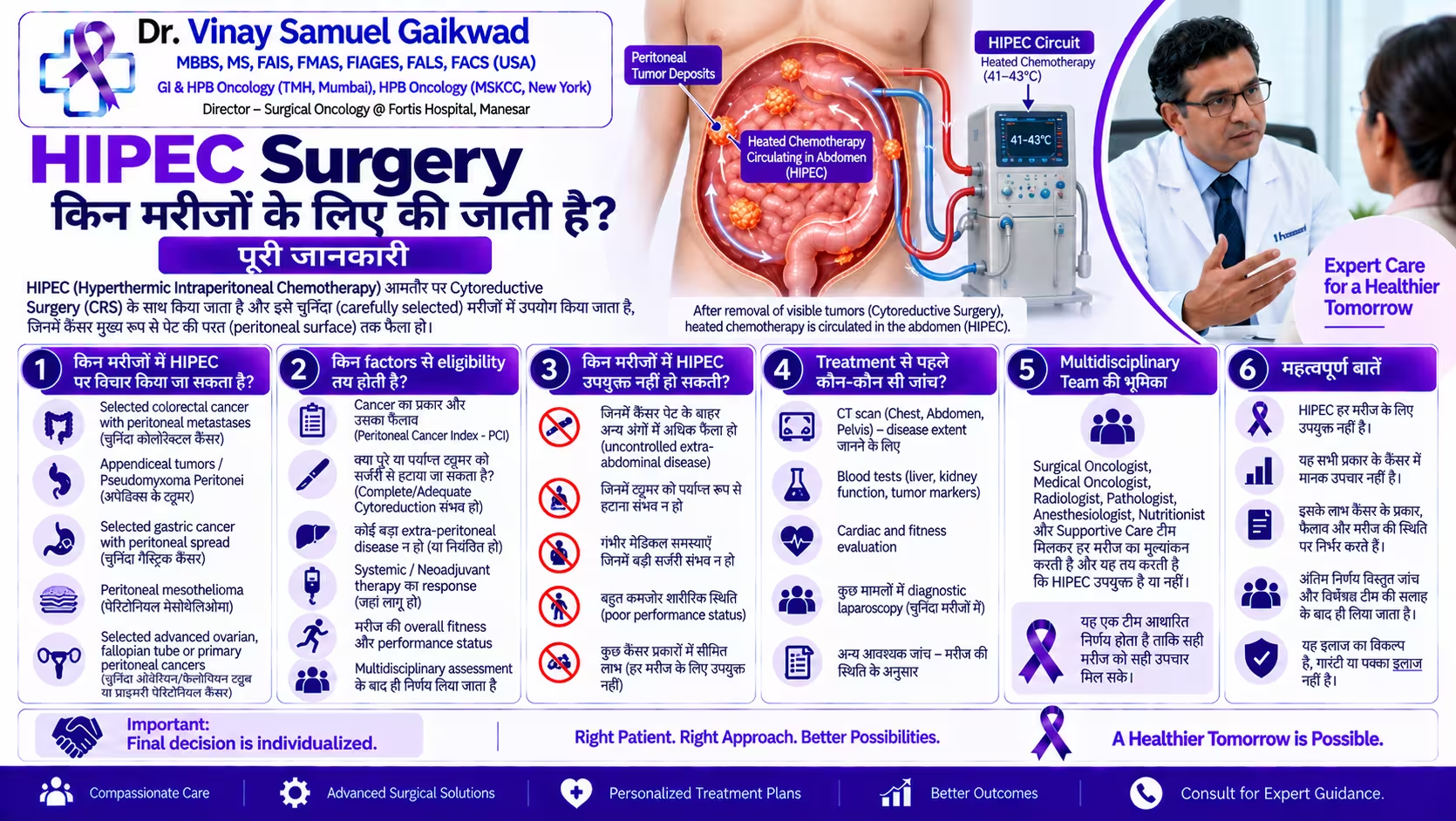
HIPEC (हाइपरथर्मिक इंट्रापेरिटोनियल कीमोथेरेपी) सर्जरी मुख्य रूप से उन कैंसर मरीजों के लिए की जाती है जिनका कैंसर पेट के अंदरूनी हिस्से यानी पेरिटोनियम (पेट की झिल्ली) तक फैल गया हो, लेकिन दूर के अंगों (जैसे फेफड़ों या हड्डियों) तक न गया हो।
HIPEC Surgery क्या है?
HIPEC एक specialized cancer treatment है, जिसका उपयोग कुछ cancers में किया जाता है जब cancer peritoneum तक फैल चुका हो।
Peritoneum एक thin tissue layer है जो abdominal cavity और उसके कई organs को cover करती है।
जब cancer cells इस lining पर फैल जाते हैं, तो इसे peritoneal metastasis या peritoneal spread कहा जाता है।
ऐसे selected patients में treatment के दो मुख्य components हो सकते हैं:
1. Cytoreductive Surgery (CRS)
इस surgery में surgeon पेट के अंदर दिखाई देने वाले cancer deposits को अधिकतम संभव सीमा तक remove करने की कोशिश करते हैं।
2. HIPEC
CRS के बाद abdominal cavity में heated chemotherapy solution circulate किया जाता है, ताकि peritoneal cavity में मौजूद microscopic cancer cells को target किया जा सके।
इसी combination को अक्सर:
CRS + HIPEC
कहा जाता है।
HIPEC Surgery किन मरीजों के लिए की जाती है?
HIPEC मुख्य रूप से selected patients with peritoneal surface malignancy के लिए consider की जाती है।
इसमें आमतौर पर ऐसे patients शामिल हो सकते हैं जिनमें:
- Cancer peritoneum तक फैल गया हो
- Disease मुख्य रूप से abdominal cavity में concentrated हो
- Cancer deposits को surgery से हटाना technically possible हो
- Patient major surgery के लिए medically fit हो
- Disease biology और previous treatment response treatment के पक्ष में हों
- Complete या near-complete cytoreduction की reasonable संभावना हो
लेकिन केवल peritoneal spread की presence से यह तय नहीं होता कि HIPEC की जाएगी।
हर patient की detailed evaluation आवश्यक होती है।
किन Cancer में HIPEC Surgery की जा सकती है?
HIPEC का उपयोग cancer के type और disease की extent के अनुसार अलग-अलग होता है।
1. Colon Cancer
Colon cancer में यदि cancer peritoneum तक फैल गया है, तो कुछ carefully selected patients में Cytoreductive Surgery + HIPEC treatment option हो सकता है।
यह decision disease की मात्रा, location और अन्य metastases की presence के आधार पर लिया जाता है।
2. Appendix Cancer
Appendix से शुरू होने वाले कुछ cancers में peritoneal spread हो सकता है।
विशेषकर pseudomyxoma peritonei (PMP) जैसे conditions में CRS + HIPEC एक important treatment approach हो सकती है।
ऐसे cases में abdomen में mucinous material और tumor deposits काफी व्यापक हो सकते हैं, इसलिए specialized surgical assessment की आवश्यकता होती है।
3. Rectal Cancer
कुछ selected rectal cancer patients में peritoneal metastasis होने पर HIPEC-based approach पर consideration किया जा सकता है।
हालांकि हर metastatic rectal cancer patient को HIPEC की आवश्यकता नहीं होती।
Treatment plan में chemotherapy, targeted therapy, immunotherapy और surgery जैसे options भी cancer की biology और molecular profile के अनुसार शामिल हो सकते हैं।
4. Stomach Cancer
Stomach cancer में peritoneal spread relatively complex disease स्थिति को दर्शाता है।
कुछ highly selected patients में cytoreductive surgery और HIPEC पर विचार किया जा सकता है, लेकिन patient selection बहुत महत्वपूर्ण होता है।
5. Ovarian Cancer
कुछ ovarian cancer patients में abdominal/peritoneal disease के management में heated intraperitoneal chemotherapy का role हो सकता है।
Ovarian cancer का treatment multidisciplinary gynecologic oncology team द्वारा disease extent और treatment setting के अनुसार plan किया जाता है।
6. अन्य Peritoneal Surface Cancers
कुछ अन्य rare peritoneal surface malignancies में भी specialized centers में CRS और HIPEC का उपयोग किया जा सकता है।
इन cases में cancer type और disease distribution की detailed assessment जरूरी होती है।
क्या हर Stage 4 Cancer Patient को HIPEC दी जाती है?
नहीं।
यह एक बहुत महत्वपूर्ण बात है।
Stage 4 cancer का अर्थ है कि cancer शरीर के मूल स्थान से बाहर फैल चुका है। लेकिन Stage 4 disease अलग-अलग patients में अलग pattern में हो सकती है।
उदाहरण के लिए:
एक patient में cancer मुख्य रूप से peritoneum तक सीमित हो सकता है, जबकि दूसरे patient में peritoneum के साथ-साथ lungs, liver या multiple distant organs में extensive disease हो सकती है।
इन दोनों patients का treatment एक जैसा नहीं होगा।
HIPEC का decision cancer के spread pattern और operability को देखकर किया जाता है।
HIPEC के लिए सबसे महत्वपूर्ण Patient Selection Factors
Doctor कई factors को एक साथ देखते हैं।
1. Cancer का Type
सबसे पहले यह पता लगाना जरूरी है कि cancer किस प्रकार का है।
Colon cancer, appendix cancer, stomach cancer और ovarian cancer में HIPEC की भूमिका अलग-अलग हो सकती है।
2. Peritoneal Disease की मात्रा
Abdomen में cancer deposits कितने हैं और कहाँ-कहाँ हैं, यह बहुत महत्वपूर्ण है।
Disease की extent का assessment imaging और, selected cases में, surgical findings से किया जा सकता है।
3. क्या Cancer को Surgery से Remove किया जा सकता है?
HIPEC का एक महत्वपूर्ण हिस्सा cytoreductive surgery है।
यदि cancer deposits को safely और adequately remove करना संभव नहीं है, तो CRS + HIPEC का expected benefit कम हो सकता है।
इसलिए surgeon पहले यह assess करते हैं कि complete या near-complete cytoreduction संभव है या नहीं।
4. दूसरे Organs में Cancer का Spread
Doctor यह भी देखते हैं कि cancer:
- Liver
- Lungs
- Bones
- Brain
- या अन्य distant organs
तक कितना फैला है।
कुछ selected patients में limited disease outside the peritoneum के बावजूद treatment options हो सकते हैं, लेकिन extensive distant metastasis HIPEC की suitability को प्रभावित कर सकती है।
5. Patient की Overall Health
CRS + HIPEC एक major treatment हो सकता है।
इसलिए patient की:
- Heart function
- Lung function
- Kidney function
- Liver function
- Nutritional status
- Physical fitness
- अन्य medical conditions
का assessment किया जाता है।
HIPEC Surgery से पहले कौन-कौन से Tests किए जाते हैं?
Patient की condition के अनुसार doctor कई investigations कर सकते हैं।
Imaging Tests
- Contrast-enhanced CT Scan
- MRI, selected cases में
- PET-CT, selected situations में
इन tests से disease का spread समझने में मदद मिलती है।
Blood Tests
- CBC
- Liver Function Tests
- Kidney Function Tests
- Electrolytes
- Coagulation tests
- अन्य preoperative investigations
Pathology
Cancer का सही diagnosis और histological type समझना treatment planning के लिए महत्वपूर्ण है।
Previous Treatment Records
यदि patient पहले chemotherapy, surgery, radiation या targeted therapy ले चुका है, तो उसकी reports और treatment response को भी ध्यान में रखा जाता है।
HIPEC Surgery में CRS क्यों किया जाता है?
HIPEC केवल chemotherapy देने की प्रक्रिया नहीं है।
यदि abdomen में दिखाई देने वाले बड़े cancer deposits मौजूद हैं, तो केवल chemotherapy से उन्हें mechanically remove नहीं किया जा सकता।
इसलिए selected patients में पहले Cytoreductive Surgery की जाती है।
इसका उद्देश्य:
Visible Cancer Disease को जितना संभव हो surgically remove करना
होता है।
इसके बाद HIPEC का उपयोग microscopic residual disease को target करने के लिए किया जाता है।
HIPEC में Chemotherapy गर्म क्यों की जाती है?
HIPEC में chemotherapy solution को controlled तरीके से heated किया जाता है।
इस approach का उद्देश्य abdominal cavity में chemotherapy का local exposure बढ़ाना और heat के संभावित anti-tumor effects का उपयोग करना है।
हालांकि यह समझना जरूरी है कि गर्म chemotherapy का उपयोग अपने आप में cancer cure की guarantee नहीं है।
Treatment का outcome cancer type, disease burden, surgery की completeness और patient factors पर depend करता है।
किन मरीजों में HIPEC Suitable नहीं हो सकती?
HIPEC की suitability कई परिस्थितियों में कम हो सकती है।
उदाहरण के लिए:
- Cancer बहुत extensive हो
- Complete cytoreduction संभव न हो
- Patient major surgery के लिए medically fit न हो
- Multiple distant organs में extensive metastases हों
- Cancer biology aggressive हो और treatment का expected benefit कम हो
- Severe organ dysfunction या अन्य major medical problems हों
यह भी याद रखना जरूरी है कि HIPEC के लिए unsuitable होना treatment options खत्म होने के बराबर नहीं है।
ऐसे patients में systemic chemotherapy, targeted therapy, immunotherapy, palliative treatment या अन्य cancer-directed approaches पर विचार किया जा सकता है।
HIPEC Surgery के क्या फायदे हो सकते हैं?
Selected patients में CRS + HIPEC का उद्देश्य abdominal/peritoneal cancer burden को कम करना और disease control में मदद करना है।
संभावित benefits में शामिल हैं:
- Visible peritoneal cancer को surgically remove करना
- Abdominal cavity में local chemotherapy देना
- Selected patients में long-term disease control का treatment option उपलब्ध कराना
- कुछ carefully selected cases में systemic treatment के साथ multimodal cancer management का हिस्सा बनना
लेकिन benefit हर patient में समान नहीं होता।
क्या HIPEC Cancer को पूरी तरह ठीक कर सकती है?
यह कहना सही नहीं है कि HIPEC हर patient में cancer को cure कर देती है।
HIPEC के बाद outcome कई factors पर depend करता है:
- Cancer का type
- Stage और disease distribution
- Peritoneal disease burden
- Tumor biology
- Complete cytoreduction की सफलता
- Patient की overall health
- Previous chemotherapy का response
- Postoperative और subsequent cancer treatment
इसलिए doctor patient-specific prognosis और treatment goals समझाते हैं।
HIPEC Surgery के संभावित Risks
CRS + HIPEC एक complex treatment है और इसके साथ complications का risk हो सकता है।
संभावित risks में शामिल हैं:
- Infection
- Bleeding
- Blood clots
- Bowel complications
- Anastomotic leak
- Temporary bowel dysfunction
- Kidney problems
- Electrolyte imbalance
- Low blood counts
- Wound-related problems
- Prolonged hospital stay
- अन्य organ-related complications
Risk patient की उम्र, health, cancer extent और surgery की complexity के अनुसार बदल सकता है।
HIPEC Surgery के बाद Recovery कैसी होती है?
CRS + HIPEC के बाद recovery सामान्य abdominal surgery की तुलना में लंबी हो सकती है।
Hospital में patient की closely monitoring की जाती है।
Recovery के दौरान doctors देखते हैं:
- Pain control
- Bowel function
- Nutrition
- Fluid balance
- Kidney function
- Blood counts
- Infection
- Wound healing
Patient को धीरे-धीरे walking और oral diet की ओर बढ़ाया जाता है।
Recovery का exact समय हर patient में अलग होता है।
क्या HIPEC के बाद भी Chemotherapy की जरूरत पड़ सकती है?
हाँ, कुछ patients में HIPEC के बाद भी systemic chemotherapy या अन्य cancer treatment की आवश्यकता हो सकती है।
यह decision depend करता है:
- Cancer type
- Pathology
- Stage
- Previous chemotherapy
- Surgery के findings
- Molecular characteristics
- Overall treatment plan
HIPEC को हमेशा systemic chemotherapy का replacement नहीं माना जाता।
HIPEC और Normal Chemotherapy में क्या अंतर है?
| HIPEC | Systemic Chemotherapy |
|---|---|
| Abdominal cavity में directly दी जाती है | पूरे शरीर में systemic effect के लिए दी जाती है |
| आमतौर पर surgery के दौरान | अलग treatment cycles में दी जा सकती है |
| Heated chemotherapy solution का उपयोग | आमतौर पर heated नहीं होती |
| Selected peritoneal disease में | कई प्रकार के cancers में उपयोग |
| अक्सर CRS के साथ | Surgery से पहले या बाद में भी दी जा सकती है |
कई patients में दोनों approaches treatment plan के अलग-अलग हिस्से हो सकते हैं।
HIPEC और Laparoscopic या Robotic Surgery क्या एक ही चीज हैं?
नहीं।
HIPEC chemotherapy delivery technique है।
जबकि:
- Laparoscopic Surgery एक minimally invasive surgical technique है।
- Robotic Surgery surgeon-controlled robotic surgical system का उपयोग करती है।
CRS + HIPEC जैसी extensive surgery में open approach की आवश्यकता कई patients में हो सकती है।
Surgical approach disease की extent और patient safety के आधार पर तय की जाती है।
HIPEC के लिए Experienced Surgical Oncologist क्यों जरूरी है?
CRS + HIPEC केवल chemotherapy administration नहीं है। इसमें complex abdominal cancer surgery, patient selection, perioperative care और postoperative monitoring शामिल हो सकते हैं।
एक experienced multidisciplinary team को कई महत्वपूर्ण decisions लेने होते हैं:
- क्या patient HIPEC candidate है?
- Cancer कितना फैला है?
- क्या complete cytoreduction संभव है?
- कौन से organs/tissues involved हैं?
- कौन-सी surgical procedure आवश्यक होगी?
- HIPEC के लिए कौन-सी chemotherapy appropriate है?
- Surgery के बाद patient की monitoring कैसे होगी?
इसीलिए HIPEC के लिए ऐसे cancer center और Surgical Oncology team का evaluation महत्वपूर्ण है जिसे complex abdominal cancer surgery का अनुभव हो।
Dr. Vinay Samuel Gaikwad से HIPEC Consultation
Dr. Vinay Samuel Gaikwad India में Best Surgical Oncologist हैं और उन्हें 20+ वर्षों का अनुभव है। उन्होंने MCh in Surgical Oncology किया है और Tata Memorial Hospital, Mumbai में advanced training प्राप्त की है। उन्होंने international training भी प्राप्त की है, जिसमें Memorial Sloan Kettering Cancer Center, New York और IRCAD Taiwan शामिल हैं।
उनकी special interest minimally invasive और robotic cancer surgery के साथ-साथ GI malignancies और Hepatopancreatobiliary (HPB) cancers में है।
उनकी expertise में:
- HIPEC Surgery
- Colon Cancer Surgery
- Colorectal Cancer Surgery
- Laparoscopic Cancer Surgery
- Robotic Cancer Surgery
- Liver Cancer Surgery
- Pancreatic Cancer Surgery
- Whipple Surgery
- Sphincter Saving Surgery
जैसे procedures शामिल हैं।
HIPEC की आवश्यकता केवल diagnosis के आधार पर तय नहीं की जाती। Patient की imaging, pathology, previous treatment और overall health की detailed assessment के बाद individualized treatment plan बनाया जाता है।
Related Treatments
- HIPEC Surgery
- Whipple Surgery
- Laparoscopic Colorectal Cancer Surgery
- Liver Cancer Surgery
- Pancreatic Cancer Surgery
- Gallbladder Cancer Surgery
- Neuroendocrine Tumour Surgery
- Sphincter-Saving Surgery
- Retroperitoneal Sarcoma Treatment
- Chemo Port Insertion
Related Articles
- Chemotherapy Cost in India: What You May Have to Pay
- Liver Cancer Symptoms: 10 Warning Signs You Should Not Ignore
- What Causes Colon Cancer? Risk Factors You Should Know
- Laparoscopic Cancer Surgery क्या है? | फायदे, प्रक्रिया, Recovery और Risks
- HIPEC क्या है? | Hyperthermic Intraperitoneal Chemotherapy की पूरी जानकारी
FAQs: HIPEC Surgery किन मरीजों के लिए की जाती है?
1. HIPEC Surgery किन मरीजों के लिए की जाती है?
HIPEC मुख्य रूप से selected patients के लिए की जाती है जिनमें cancer peritoneum तक फैल गया हो और cancer deposits को cytoreductive surgery द्वारा पर्याप्त रूप से remove करने की संभावना हो।
2. क्या हर Stage 4 cancer patient को HIPEC दी जाती है?
नहीं। Stage 4 cancer में treatment cancer के spread pattern पर depend करता है। HIPEC विशेष रूप से selected peritoneal disease में consider की जाती है।
3. क्या Colon Cancer में HIPEC की जा सकती है?
हाँ, कुछ selected colon cancer patients जिनमें peritoneal metastasis हो, उनमें CRS + HIPEC पर विचार किया जा सकता है।
4. क्या Appendix Cancer में HIPEC होती है?
हाँ। कुछ appendix cancers, विशेषकर pseudomyxoma peritonei, में CRS + HIPEC एक महत्वपूर्ण treatment approach हो सकती है।
5. क्या Liver में फैले Cancer के लिए HIPEC की जाती है?
HIPEC का primary target peritoneal cavity होता है। Liver metastases की presence में treatment अलग-अलग factors पर depend करता है और कुछ selected patients में liver-directed surgery या अन्य treatment options भी consider किए जा सकते हैं।
6. क्या HIPEC में बड़ी surgery होती है?
CRS + HIPEC एक major और complex abdominal cancer procedure हो सकती है। Surgery की extent cancer के spread पर निर्भर करती है।
7. क्या HIPEC के बाद chemotherapy की जरूरत होती है?
कुछ patients को HIPEC के बाद systemic chemotherapy या अन्य cancer treatment की आवश्यकता हो सकती है। यह individual treatment plan पर depend करता है।
8. क्या HIPEC cancer को cure कर सकती है?
HIPEC कुछ carefully selected patients में disease control के लिए उपयोग की जाती है, लेकिन यह हर patient में cure की guarantee नहीं देती।
9. HIPEC के लिए कौन-से tests जरूरी होते हैं?
आमतौर पर imaging, pathology, blood tests और patient की overall fitness का assessment किया जाता है। Exact tests cancer type और individual condition पर depend करते हैं।
10. HIPEC के लिए किस specialist से consultation लेना चाहिए?
HIPEC के लिए Surgical Oncologist और multidisciplinary cancer team से evaluation लेना उचित होता है, विशेषकर जब cancer peritoneum तक फैल गया हो।
निष्कर्ष
HIPEC Surgery हर cancer patient के लिए नहीं की जाती। यह एक specialized treatment है जिसका उपयोग मुख्य रूप से selected peritoneal surface cancers और peritoneal metastases में किया जाता है।
Patient selection में सबसे महत्वपूर्ण बातें हैं:
Cancer Type + Peritoneal Disease की Extent + Operability + Overall Health + Complete Cytoreduction की संभावना
यदि cancer पेट की lining तक फैल चुका है, तो केवल Stage 4 diagnosis के आधार पर HIPEC का निर्णय नहीं लिया जाना चाहिए। Detailed imaging, pathology, previous treatment response और Surgical Oncology assessment के बाद ही यह तय किया जाता है कि CRS + HIPEC patient के लिए appropriate treatment option है या नहीं।