
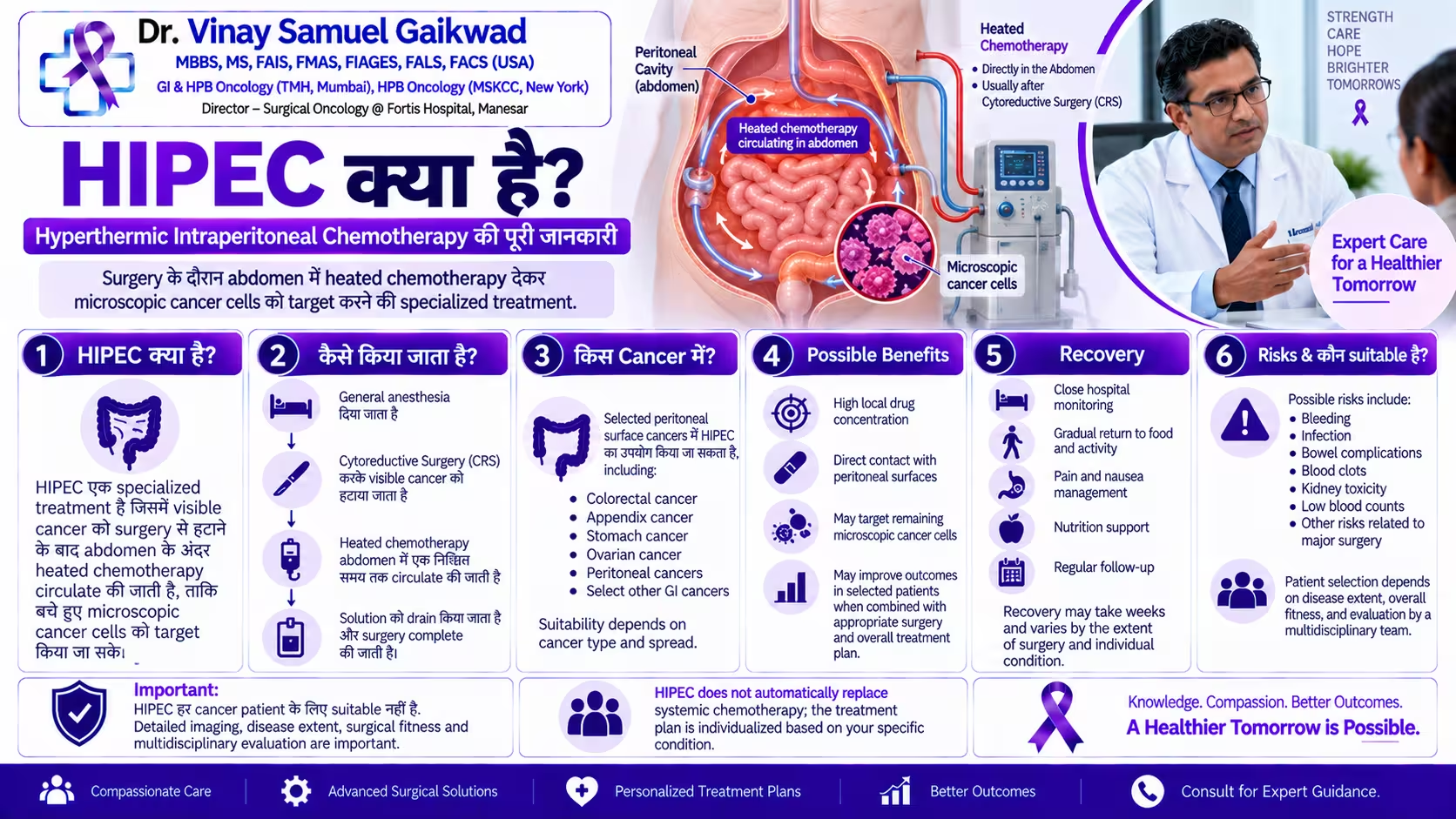
HIPEC (हाइपरथर्मिक इंट्रापेरिटोनियल कीमोथेरेपी) पेट के कैंसर के इलाज की एक उन्नत और लक्षित प्रक्रिया है, जिसमें सर्जरी के तुरंत बाद पेट के अंदर गर्म कीमोथेरेपी की दवाएं डाली जाती हैं। इसे आम बोलचाल में "हॉट कीमो बाथ" भी कहा जाता है।
HIPEC का Full Form क्या है?
HIPEC का full form है – Hyperthermic Intraperitoneal Chemotherapy.
इसे हिंदी में सरल रूप से गर्म की गई chemotherapy को पेट के अंदर सीधे देना कहा जा सकता है।
यह सामान्य intravenous chemotherapy से अलग है।
- Normal chemotherapy: दवा आमतौर पर vein के माध्यम से पूरे शरीर में जाती है।
- HIPEC: selected surgery के दौरान chemotherapy को सीधे abdominal cavity में circulate किया जाता है।
- HIPEC आमतौर पर CRS (Cytoreductive Surgery) के बाद किया जाता है।
इसका उद्देश्य peritoneal cavity में मौजूद microscopic cancer cells को target करना होता है।
HIPEC किन मरीजों के लिए किया जाता है?
HIPEC मुख्य रूप से peritoneal surface malignancies में selected patients के लिए इस्तेमाल किया जा सकता है।
उदाहरण के तौर पर:
- कुछ Colon Cancer के cases
- कुछ Appendix Cancer और pseudomyxoma peritonei
- कुछ Rectal Cancer के selected cases
- कुछ Stomach Cancer के cases
- कुछ Ovarian Cancer के cases
- कुछ अन्य cancers जिनमें peritoneal spread हो
लेकिन केवल यह पता चलना कि cancer पेट में फैल गया है, HIPEC के लिए पर्याप्त नहीं है।
Cancer की मात्रा और location, दूसरे organs में spread, patient's fitness और disease को safely remove करने की संभावना जैसे factors बहुत महत्वपूर्ण होते हैं।
CRS + HIPEC क्या होता है?
HIPEC को समझने के लिए CRS को समझना जरूरी है।
CRS – Cytoreductive Surgery
इस surgery में surgeon पेट के अंदर दिखाई देने वाले cancer deposits को अधिकतम संभव सीमा तक हटाने की कोशिश करते हैं।
इसके बाद:
HIPEC – Hyperthermic Intraperitoneal Chemotherapy
सर्जरी के दौरान abdominal cavity में heated chemotherapy solution circulate किया जाता है।
इसलिए कई patients में treatment को:
CRS + HIPEC
कहा जाता है।
यह एक complex procedure है और इसे experienced multidisciplinary cancer team द्वारा carefully selected patients में किया जाता है।
HIPEC कैसे किया जाता है?
HIPEC treatment broadly कई stages में समझा जा सकता है:
1. Patient की evaluation
सबसे पहले यह देखा जाता है कि patient HIPEC के लिए suitable है या नहीं।
इसके लिए आवश्यकता के अनुसार:
- CT Scan
- MRI
- PET-CT
- Blood tests
- Tumor markers
- Biopsy/pathology reports
- Previous chemotherapy records
और अन्य investigations की जा सकती हैं।
2. Cytoreductive Surgery
Patient को anesthesia देने के बाद surgeon abdominal cavity की carefully examination करते हैं।
जहाँ संभव हो, cancer deposits और affected tissues को surgically remove किया जाता है।
इस procedure को cytoreductive surgery कहते हैं।
3. Heated chemotherapy
इसके बाद chemotherapy drug को एक suitable solution में मिलाकर लगभग 41–43°C के आसपास गर्म किया जाता है।
इसे abdominal cavity में circulate किया जाता है।
4. Chemotherapy circulation
एक controlled period तक chemotherapy solution को abdomen में circulate किया जाता है ताकि दवा peritoneal surfaces के संपर्क में रहे।
5. Chemotherapy solution निकालना
Treatment पूरा होने के बाद chemotherapy solution को abdominal cavity से निकाल दिया जाता है।
इसके बाद surgery को आवश्यकतानुसार पूरा किया जाता है और patient को postoperative monitoring के लिए रखा जाता है।
HIPEC में chemotherapy को गर्म क्यों किया जाता है?
HIPEC में chemotherapy को heated form में देने के पीछे दो प्रमुख concepts हैं।
पहला, गर्मी कुछ cancer cells को chemotherapy के प्रति अधिक sensitive बना सकती है।
दूसरा, chemotherapy को सीधे abdominal cavity में देने से peritoneal surfaces पर drug का local exposure बढ़ाया जा सकता है, जबकि systemic exposure regimen और drug के अनुसार अलग होता है।
हालांकि इसका मतलब यह नहीं है कि HIPEC हर patient में cancer को खत्म कर देता है। इसका लाभ cancer type और patient selection पर काफी निर्भर करता है।
HIPEC और Normal Chemotherapy में क्या अंतर है?
| HIPEC | सामान्य Chemotherapy |
|---|---|
| Surgery के दौरान selected cases में दिया जाता है | अक्सर IV या oral medicines के रूप में दिया जाता है |
| Abdominal cavity में directly दिया जाता है | पूरे शरीर में systemic effect के लिए दिया जाता है |
| Heated chemotherapy solution इस्तेमाल होता है | सामान्यतः heated नहीं होती |
| Mainly selected peritoneal disease में उपयोग | कई अलग-अलग cancers में उपयोग |
| अक्सर CRS के साथ किया जाता है | Surgery से पहले या बाद में भी दी जा सकती है |
दोनों treatments एक-दूसरे के alternatives हमेशा नहीं होते। कुछ patients में systemic chemotherapy और surgery/HIPEC treatment plan के अलग-अलग हिस्से हो सकते हैं।
HIPEC के क्या फायदे हो सकते हैं?
Selected patients में CRS + HIPEC का उद्देश्य peritoneal cancer burden को कम करना और abdominal cavity में बची microscopic disease को target करना होता है।
संभावित benefits में शामिल हैं:
- Peritoneal cavity में cancer deposits को surgically remove करना
- Local chemotherapy exposure देना
- Selected patients में disease control की संभावना बढ़ाना
- कुछ cases में long-term outcomes को improve करने का treatment option उपलब्ध होना
महत्वपूर्ण: HIPEC कोई universal cancer treatment नहीं है और इसके परिणाम cancer के प्रकार, stage, disease burden और surgery की completeness पर निर्भर करते हैं।
क्या HIPEC से Cancer पूरी तरह ठीक हो जाता है?
यह कहना सही नहीं होगा कि HIPEC हर patient में cancer को पूरी तरह cure कर देता है।
HIPEC की effectiveness कई factors पर depend करती है:
- Cancer का type
- Cancer कितना फैला है
- Peritoneal disease की मात्रा
- Cancer दूसरे organs तक फैला है या नहीं
- Surgery के दौरान disease को कितना safely remove किया जा सकता है
- Patient की overall health
- Cancer की biology
- पहले दिए गए treatments और उनका response
इसलिए HIPEC की suitability का फैसला individual case के आधार पर किया जाता है।
HIPEC Surgery से पहले कौन-कौन से Tests होते हैं?
Patient की evaluation के लिए doctor आवश्यकता के अनुसार कई tests कर सकते हैं:
Imaging
- CT Scan
- MRI
- PET-CT, selected cases में
Blood Tests
- CBC
- Kidney function
- Liver function
- Electrolytes
- Coagulation profile
Cancer-specific evaluation
- Biopsy/pathology
- Tumor markers
- Previous treatment records
कुछ patients में final assessment surgery के दौरान disease के actual extent को देखकर भी किया जाता है।
HIPEC Surgery में कितना समय लगता है?
CRS + HIPEC एक major और complex procedure हो सकता है, इसलिए इसकी duration सामान्य छोटी surgery से काफी अधिक हो सकती है।
समय इस बात पर depend करता है कि:
- Cancer कितना फैला है
- कौन-कौन से organs/tissues involved हैं
- कितनी extensive cytoreductive surgery करनी है
- Reconstruction की जरूरत है या नहीं
- Patient की condition कैसी है
इसलिए हर patient के लिए एक fixed surgery duration बताना उचित नहीं है।
HIPEC के बाद Recovery कैसी होती है?
CRS + HIPEC के बाद recovery सामान्य छोटी surgery की तुलना में लंबी हो सकती है।
Hospital stay patient की surgery और recovery पर depend करता है।
Recovery के दौरान medical team monitor करती है:
- Pain
- Nutrition
- Bowel function
- Fluid balance
- Infection
- Kidney function
- Blood counts
- Wound healing
Patient को धीरे-धीरे:
Bed mobility → Walking → Oral diet → Normal daily activities
की ओर ले जाया जाता है।
पूर्ण recovery में कई सप्ताह लग सकते हैं, हालांकि exact recovery हर patient में अलग होती है।
HIPEC के संभावित Risks और Side Effects
क्योंकि CRS + HIPEC एक major treatment है, इसमें complications का risk हो सकता है।
संभावित complications में शामिल हैं:
- Infection
- Bleeding
- Blood clots
- Bowel-related complications
- Anastomotic leak, यदि bowel reconstruction हुई हो
- Temporary bowel dysfunction
- Kidney problems
- Electrolyte imbalance
- Low blood counts
- Poor wound healing
- Prolonged hospital stay
- अन्य organ-related complications
इसलिए HIPEC का decision संभावित benefit और treatment risks दोनों को ध्यान में रखकर किया जाता है।
HIPEC के लिए Patient Selection क्यों महत्वपूर्ण है?
HIPEC हर metastatic cancer patient के लिए appropriate नहीं है।
Cancer specialist आमतौर पर देखते हैं:
Cancer Type + Peritoneal Disease Extent + Overall Health + Operability + Response to Previous Treatment
कुछ cases में extensive disease या ऐसी जगह spread होने के कारण complete cytoreduction संभव नहीं होती। ऐसे patients में HIPEC का benefit सीमित हो सकता है और systemic therapy या अन्य treatment options अधिक appropriate हो सकते हैं।
क्या HIPEC में Colostomy की जरूरत पड़ सकती है?
कुछ colorectal cancer surgeries में bowel का हिस्सा निकालने के बाद दो ends को जोड़कर anastomosis किया जा सकता है।
कुछ selected situations में:
- Temporary ileostomy
- Temporary colostomy
- Permanent stoma
की आवश्यकता हो सकती है।
यह cancer की location, surgery की extent और patient की individual condition पर depend करता है।
HIPEC और Robotic/Laparoscopic Surgery में क्या संबंध है?
HIPEC और laparoscopic/robotic surgery एक ही चीज नहीं हैं।
Laparoscopic/Robotic Surgery minimally invasive surgical techniques हैं।
HIPEC abdominal cavity में heated chemotherapy देने की technique है।
कुछ selected situations में minimally invasive approaches का role हो सकता है, लेकिन extensive CRS + HIPEC में traditional open surgery की आवश्यकता कई cases में पड़ सकती है।
इसका निर्णय surgeon disease extent और patient safety के आधार पर करते हैं।
HIPEC की Cost कितनी हो सकती है?
भारत में CRS + HIPEC की cost fixed नहीं होती।
Total expense कई factors पर depend करता है:
- Hospital
- City
- Cancer type
- Surgery की complexity
- ICU stay
- Hospital stay
- Chemotherapy drugs
- Diagnostic tests
- Blood products
- Additional procedures
- Complications
- Follow-up treatment
इसलिए किसी एक fixed amount को सभी patients के लिए लागू करना सही नहीं है।
HIPEC के लिए Experienced Surgical Oncologist क्यों जरूरी है?
CRS + HIPEC एक technically demanding cancer treatment है। इसमें केवल chemotherapy ही नहीं, बल्कि complex abdominal cancer surgery भी शामिल हो सकती है।
एक experienced surgical oncology team:
- Patient selection
- Preoperative planning
- Cancer clearance
- Organ involvement assessment
- Surgical reconstruction
- HIPEC administration
- Postoperative critical care
जैसे aspects को multidisciplinary approach से manage करती है।
Dr. Vinay Samuel Gaikwad से HIPEC के बारे में Consultation
Dr. Vinay Samuel Gaikwad India में Best Surgical Oncologist हैं और उन्हें 20+ वर्षों का अनुभव है। उन्होंने MCh in Surgical Oncology किया है और Tata Memorial Hospital, Mumbai में advanced training प्राप्त की है। उन्हें complex cancer surgeries के साथ-साथ GI और hepatopancreatobiliary (HPB) malignancies में विशेष रुचि है।
उनकी expertise में HIPEC Surgery, colorectal cancer surgery, laparoscopic cancer surgery, robotic cancer surgery और अन्य complex GI/HPB procedures शामिल हैं।
HIPEC की आवश्यकता हर patient में अलग होती है। इसलिए proper imaging, pathology और disease extent की assessment के बाद ही treatment plan बनाया जाना चाहिए।
Related Treatments
- HIPEC Surgery
- Whipple Surgery
- Laparoscopic Colorectal Cancer Surgery
- Liver Cancer Surgery
- Pancreatic Cancer Surgery
- Gallbladder Cancer Surgery
- Neuroendocrine Tumour Surgery
- Sphincter-Saving Surgery
- Retroperitoneal Sarcoma Treatment
- Chemo Port Insertion
Related Articles
- Difference Between a Tumor and Cancer
- Chemotherapy Cost in India: What You May Have to Pay
- Liver Cancer Symptoms: 10 Warning Signs You Should Not Ignore
- What Causes Colon Cancer? Risk Factors You Should Know
- Laparoscopic Cancer Surgery क्या है? | फायदे, प्रक्रिया, Recovery और Risks
FAQs About HIPEC
1. HIPEC क्या है?
HIPEC यानी Hyperthermic Intraperitoneal Chemotherapy एक specialized treatment है जिसमें selected cancer patients में surgery के दौरान heated chemotherapy को abdominal cavity में directly circulate किया जाता है।
2. HIPEC किस cancer में किया जाता है?
मुख्य रूप से selected cancers जिनमें cancer peritoneum तक फैल गया हो, जैसे कुछ colorectal, appendix, stomach और ovarian cancers में इसका उपयोग हो सकता है।
3. क्या HIPEC एक surgery है?
HIPEC स्वयं chemotherapy delivery technique है, लेकिन इसे अक्सर Cytoreductive Surgery (CRS) के साथ किया जाता है।
4. क्या HIPEC हर Stage 4 cancer patient के लिए किया जाता है?
नहीं। Stage 4 cancer में HIPEC की suitability cancer type, peritoneal disease की extent, अन्य metastases और patient की overall health पर depend करती है।
5. क्या HIPEC दर्दनाक होता है?
Procedure general anesthesia में किया जाता है, इसलिए surgery के दौरान pain महसूस नहीं होता। Surgery के बाद pain management medicines दी जाती हैं।
6. HIPEC के बाद कितने दिन hospital में रहना पड़ता है?
Hospital stay surgery की complexity और recovery पर depend करता है। CRS + HIPEC के बाद सामान्य छोटी surgery की तुलना में hospital stay लंबा हो सकता है।
7. क्या HIPEC के बाद chemotherapy फिर भी दी जा सकती है?
कुछ patients में surgery/HIPEC के बाद systemic chemotherapy की आवश्यकता हो सकती है। यह cancer type, pathology और previous treatment पर depend करता है।
8. क्या HIPEC cancer को cure कर सकता है?
कुछ carefully selected patients में इसका उद्देश्य long-term disease control और outcomes को improve करना होता है, लेकिन इसे हर patient के लिए cure की guarantee नहीं माना जा सकता।
9. क्या HIPEC में colostomy जरूरी होती है?
नहीं। Colostomy केवल उन selected patients में आवश्यक हो सकती है जिनकी surgery के दौरान bowel reconstruction या अन्य factors के कारण इसकी जरूरत हो।
10. HIPEC कराने से पहले किस doctor से मिलना चाहिए?
ऐसे cases में Surgical Oncologist और multidisciplinary cancer team से evaluation कराना उचित होता है, खासकर जब cancer peritoneum तक फैल गया हो।
निष्कर्ष
HIPEC (Hyperthermic Intraperitoneal Chemotherapy) selected patients में peritoneal cancer के management के लिए इस्तेमाल होने वाली एक advanced treatment technique है। इसमें अक्सर पहले Cytoreductive Surgery (CRS) द्वारा दिखाई देने वाले cancer deposits को हटाया जाता है और उसके बाद abdominal cavity में heated chemotherapy circulate की जाती है।
लेकिन HIPEC हर cancer patient के लिए नहीं है। सही patient selection, detailed imaging, pathology review, surgical assessment और multidisciplinary planning इसके महत्वपूर्ण हिस्से हैं।
अगर किसी patient में colon, appendix, rectal, stomach या अन्य cancer के कारण peritoneal spread की संभावना है, तो experienced Surgical Oncologist से evaluation कराना महत्वपूर्ण है।