
☰
HIPEC Surgery in India offers advanced cancer treatment by combining cytoreductive surgery with heated chemotherapy, delivering targeted therapy directly to the abdominal cavity for improved outcomes and survival rates.
The Senior Surgical Oncologist has spent more than twenty years performing intricate cancer operations
Dr. Vinay Samuel Gaikwad is recognised as one of India’s leading HIPEC surgeons for treating advanced abdominal cancers using precise cytoreductive surgery and evidence-based oncology practices. With extensive experience in gastrointestinal and peritoneal cancers, he provides specialised HIPEC treatment tailored to each patient’s condition. His approach involves detailed evaluation and multidisciplinary collaboration, ensuring the use of advanced medical technologies for accurate treatment outcomes. This patient-focused and structured approach has helped build strong trust among patients seeking specialised cancer care in India.

Years of Experience
Complex Surgeries
Treated Cancer Patients
HIPEC is a specialised cancer treatment which doctors administer after they have surgically removed all visible tumours from a patient's abdominal region.
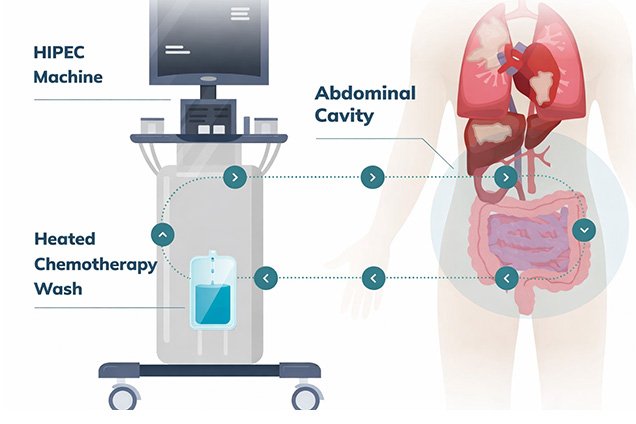
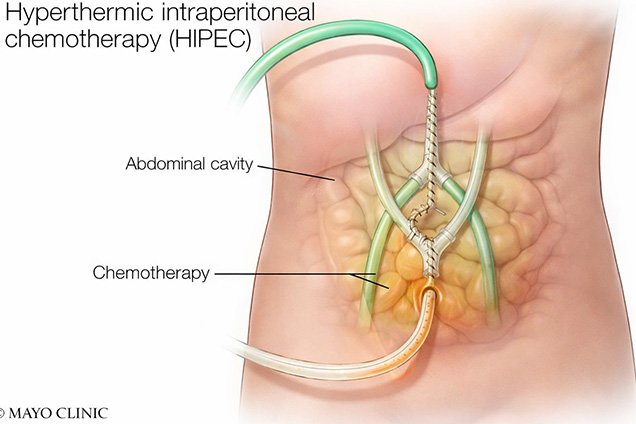
The medical procedure uses a heated chemotherapy solution which circulates through the patient's abdominal area during a set time period to eliminate all remaining tiny cancer cells. The treatment uses heat to assist drugs in entering body tissues while it enhances their ability to kill tumours. HIPEC delivers treatment directly to the affected area which leads to fewer side effects than traditional intravenous chemotherapy.
The treatment approach generates improved control of localised cancer spread for particular patients who suffer from peritoneal lining tumours. The results depend on selecting the right patients and achieving total tumour extraction during the surgical procedure.
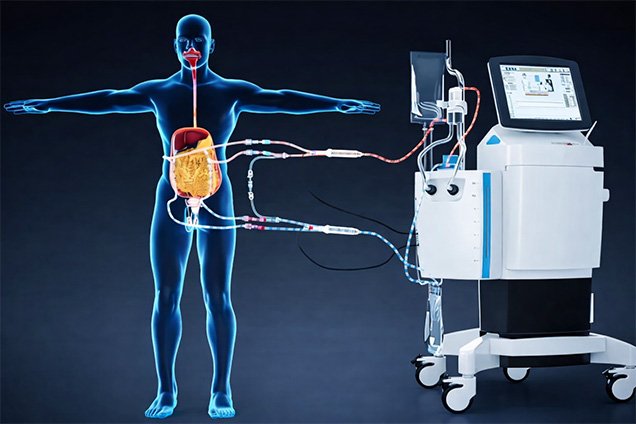

A patient should consult a HIPEC Surgeon in India when diagnosed with cancers that have spread within the abdominal cavity but remain limited to the peritoneal surface.
Early consultation helps determine whether cytoreductive surgery combined with HIPEC Surgery in India can offer a meaningful survival benefit. Patients experiencing recurrence after standard chemotherapy or previous surgery should also seek expert evaluation without delay.
Timely referral allows proper imaging, staging, and multidisciplinary tumour board discussion for treatment planning. Consulting an experienced specialist ensures correct patient selection, avoids unnecessary procedures, and improves the possibility of long-term disease control through targeted regional chemotherapy treatment.
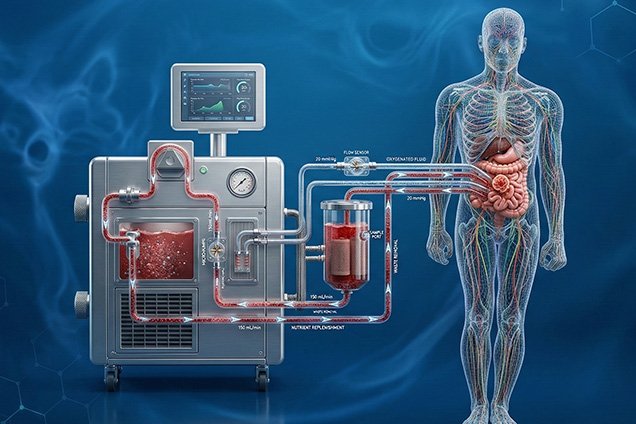
After HIPEC surgery, patients are monitored in intensive care for stable breathing, circulation, and urine output. Pain control, antibiotics, and fluids are carefully adjusted to prevent infection and dehydration. Bowel function usually returns gradually, and nutrition starts with liquids before soft foods. Walking with support is encouraged to reduce lung and clot risks.
Hospital stay often ranges from ten to fourteen days, depending on recovery and complications. Follow-up visits include wound review, blood tests, and imaging, and additional chemotherapy may be advised based on pathology and overall response for optimal healing and long-term well-being goals together always safely.
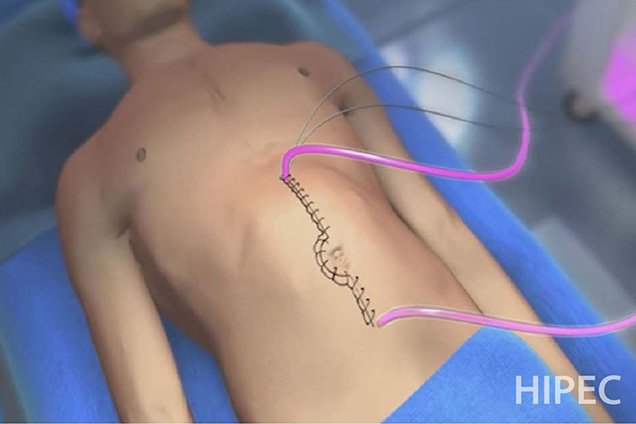
Recovery after HIPEC surgery requires patience, medical supervision, and active participation from the patient. Eating a high-protein diet and drinking adequate fluids helps the body heal faster. Gentle walking and breathing exercises reduce the risk of lung infection and blood clots. Patients should avoid heavy lifting and strenuous work until permitted by the surgeon.
Regular follow-up appointments are essential for monitoring wound healing and cancer status. Emotional support from family members and counselling services can help manage anxiety and fatigue. Reporting fever, pain, or unusual symptoms early allows timely treatment and safer long-term recovery.
Dr. Vinay Samuel Gaikwad offers advanced HIPEC surgery in India with a strong focus on precision, ethical practice, and patient-centred care. With extensive experience in treating complex abdominal cancers, he performs cytoreductive surgery with confidence and consistency. Each patient receives a personalised treatment plan after thorough evaluation and multidisciplinary discussion. His international training ensures adherence to modern surgical standards and evidence-based cancer care. Patients value his transparent communication, compassionate support, and commitment to achieving effective cancer control while preserving quality of life.

HIPEC stands for Hyperthermic Intraperitoneal Chemotherapy. It is a specialised cancer treatment combining surgery with heated chemotherapy delivered directly into the abdominal cavity.
Pain is managed with modern anaesthesia and post-operative pain control methods. Some discomfort is expected, but most patients experience gradual improvement during recovery.
Survival depends on cancer type, stage, and completeness of tumour removal. In selected patients, HIPEC can significantly improve survival compared to standard treatment alone.
HIPEC surgery typically lasts between 6 to 10 hours, depending on tumour spread and complexity of cytoreductive surgery.
HIPEC targets microscopic cancer cells directly within the abdomen, reducing recurrence risk and improving disease control in selected cancers.
HIPEC delivers higher drug concentration locally with fewer systemic side effects and enhanced effectiveness due to heat.
Light activities may resume within 4–6 weeks, while full recovery can take several months depending on individual healing.
Most side effects are temporary. Long-term complications are uncommon but depend on individual health and treatment intensity.
Recurrence risk varies by cancer type and stage. HIPEC reduces abdominal recurrence in selected patients when combined with complete tumour removal.
Consult a trained HIPEC surgeon in India with experience in peritoneal surface malignancies and multidisciplinary cancer care.
Initial recovery takes 4–6 weeks, while full physical recovery may take 2–3 months depending on overall health.
Start your journey towards recovery today. Contact us via phone or fill out our appointment form to schedule a consultation with Dr. Vinay Samuel Gaikwad.
Book A Consultation