
☰
Sphincter Saving Surgery in India enables rectal cancer treatment without a permanent stoma by preserving anal sphincter muscles, allowing normal bowel control, improved quality of life, and effective long-term cancer outcomes.
Dr. Vinay Samuel Gaikwad is known as the Best Sphincter Saving Surgeon in India for his expertise in advanced rectal cancer surgery with natural bowel control.
Dr. Vinay Samuel Gaikwad is known as a leading sphincter-saving surgeon in India for advanced rectal cancer surgery that preserves natural bowel control. His expertise in low rectal cancers allows precise tumour removal while protecting the anal sphincter. With personalised treatment planning and a focus on oncological safety, he aims for faster recovery and improved quality of life without a permanent stoma.
Years of Experience
Complex Surgeries
Treated Cancer Patients
Sphincter-saving surgery is a rectal cancer operation designed to remove the tumour while preserving the anal sphincter muscles which control bowel movements. The surgical team performs bowel reconstruction to the anus after removing the tumour instead of using a permanent colostomy.
The procedure follows strict cancer clearance principles, which require total mesorectal excision and lymph node removal. Modern techniques which include laparoscopic and robotic surgery methods, enable surgical procedures to achieve better accuracy results while safeguarding nerve functions.
This method enables patients to achieve natural stool passage after they recover from surgery while they maintain bowel control and their quality of life remains intact and their cancer treatment remains safe. The selection process for patients determines which cases are suitable for treatment and what results will occur.
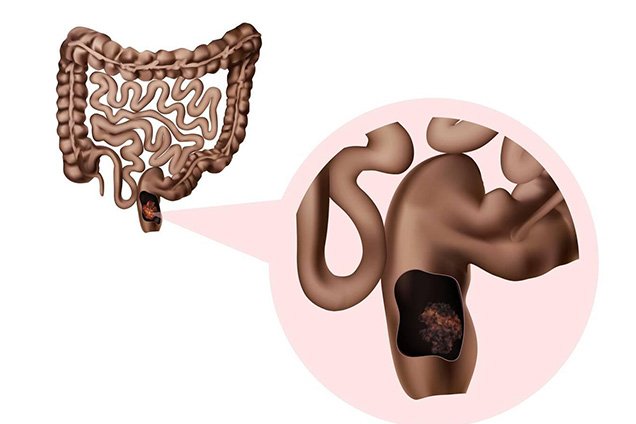
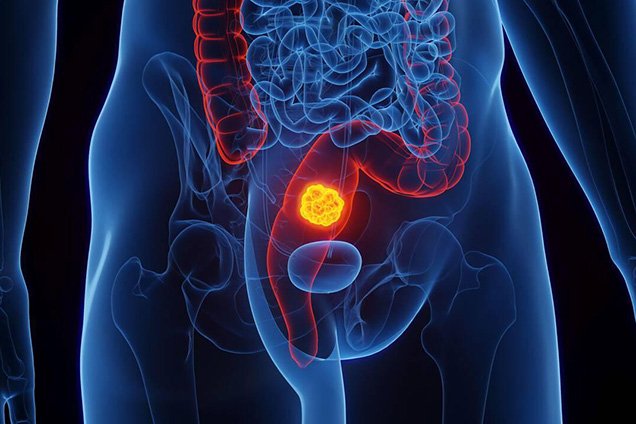
Sphincter-sparing surgery offers huge benefits to patients in terms of quality of life by enabling them to defecate naturally without the need for a stoma. The preservation of the sphincter muscles helps maintain the patient’s bowel continence and body image.
The latest surgical methods allow for precise tumour excision with the preservation of nerves and tissues. The patient will also experience less psychological trauma than in permanent colostomy surgery.
The recovery period is also shorter with an earlier return to normal life. When done by an expert surgeon, this approach offers effective cancer control with the preservation of function.
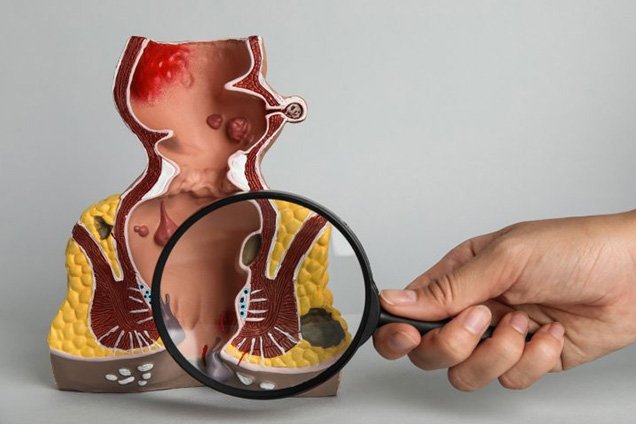
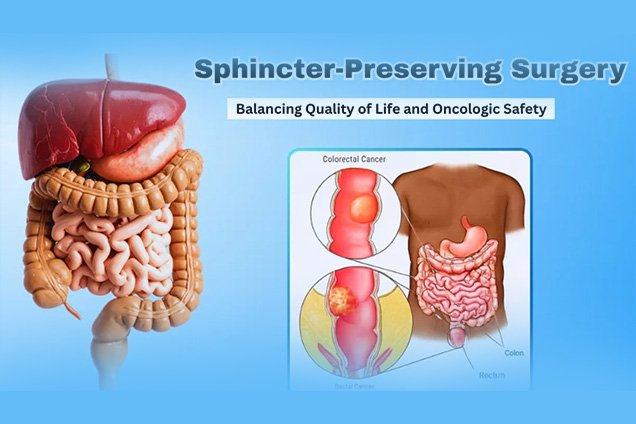
The initial walking program that patients follow starts after their surgery as a method to enhance their blood flow and lung capacity. The patient starts with liquid diets, which progress to soft food intake according to their bowel recovery process. The medical staff uses pain medications to manage discomfort while smaller injuries show normal progress toward healing.
The combination of pelvic floor exercises with bowel training creates a path that leads to successful continence restoration throughout the recovery period. The duration of hospital stays ranges from five to seven days, according to how well patients improve. Medical staff conduct follow-up appointments to assess both wound recovery progress and cancer treatment results. Emotional support, together with nutritional guidance,e provides help during the adjustment period, od which improves patients' long-term well-being.
Dr. Vinay Samuel Gaikwad is trusted for sphincter-saving surgery in India, offering precise rectal cancer treatment while preserving anal sphincter function. With extensive experience and training from leading cancer centres, he follows modern cancer and nerve-sparing surgical techniques. His patient-focused approach includes careful evaluation, compassionate guidance, and a strong commitment to long-term recovery without a permanent stoma whenever possible.

The procedure of sphincter-saving surgery enables surgeons to extract rectal cancer tumors while maintaining the patient's anal sphincter muscles. The procedure establishes bowel continuity by connecting the intestine to the rectum which enables patients to experience normal bowel functions after they complete their rehabilitation process and receive proper cancer treatment while following standard nerve protection methods.
Sphincter preservation exists as an option for certain rectal cancer patients while it remains unavailable for others. The determination process requires assessment of tumor position together with its dimensions and progression and its impact on sphincter muscle functions. Surgical evaluation shows that patients with extremely low tumors who invade sphincter muscles must undergo permanent stoma procedures to achieve safe cancer removal and disease management.
Laparoscopic sphincter-saving surgery maintains its safety status when conducted by skilled surgeons who specialize in colorectal cancer operations. The method offers superior visual field access along with decreased blood loss and quicker recovery time in comparison to traditional surgical methods. The combination of thorough patient evaluation and specialized surgical abilities enables the removal of cancer while safeguarding both bowel control and pelvic nerve functions for extended periods.
Generally, a permanent stoma is not required following sphincter-saving surgery. However, a temporary protective stoma may be necessary to facilitate the healing of the bowel anastomosis. The stoma can be reversed once the patient has recovered. The surgeon will discuss the stoma in relation to the tumour site and the feasibility.
The success rate of sphincter-saving surgery is based on the tumour stage, response to treatment, and removal of cancer. Patients with early-stage rectal cancer have a greater success rate with good bowel control. Sphincter-saving surgery performed by experienced surgeons has similar cancer outcomes to conventional surgery, with the preservation of continence and quality of life.
Bowel function can be altered temporarily following sphincter-saving surgery. Patients may experience increased frequency or urgency of bowel movements. However, with time, pelvic floor exercises, bowel management, and medications can restore bowel control. Most patients can eventually experience acceptable bowel function and live a normal life following rehabilitation.
TME is an abbreviation for Total Mesorectal Excision. TME is a surgical procedure employed in rectal cancer. This procedure involves the removal of the rectum and the fatty tissue surrounding it, which contains lymph nodes. This technique helps in the prevention of recurrence and improves survival rates by removing cancer completely and maintaining pelvic nerves.
The recovery period after sphincter-saving surgery is several weeks. The hospital stay is five to seven days. Light activities are started in two weeks, and complete recovery takes six to eight weeks. Bowel training and follow-up visits help in the long-term recovery of patients.
Yes, sphincter preservation is possible after chemoradiation therapy. The reduction in size of the tumor due to preoperative therapy helps in the removal of the tumor without damaging the sphincter muscles. Re-evaluation of the patient through scans and examination helps in determining the possibility of surgical intervention. Multidisciplinary planning helps in the management of cancer while providing the best chance of avoiding permanent scars.
Dr Vinay Samuel Gaikwad offers extensive experience in rectal cancer surgery with advanced training in India and abroad. He specialises in sphincter-preserving techniques using laparoscopic and robotic methods. Patients trust him for ethical care, precise surgery, and commitment to long-term bowel function and dignity.
Start your journey towards recovery today. Contact us via phone or fill out our appointment form to schedule a consultation with Dr. Vinay Samuel Gaikwad.
Book A Consultation