☰
Chemotherapy Port placement in India establishes secure, extended venous access,s which enables painless drug administration and protects veins from damage while decreasing the need for needle insertions and enhancing patient contentment during ongoing cancer treatments.
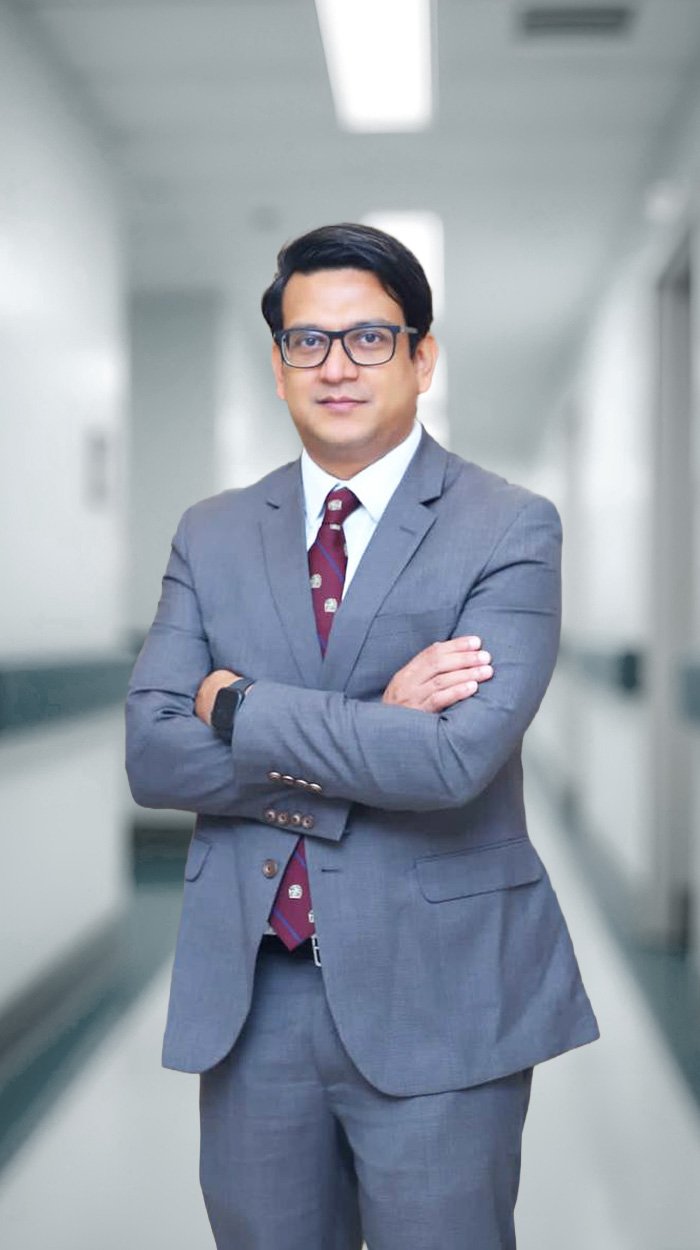
Dr Vinay Samuel Gaikwad is recognised as one of the best doctors for chemo port insertion due to his precision, experience, and patient-centred approach. The full surgical oncology background which he possesses enables him to conduct port placement operations in a safe manner while maintaining a complete sterile environment.
The medical team evaluates each patient to select their optimal vein and port combination. The procedure is designed to create a pleasant experience for patients while decreasing the likelihood of developing complications which include infection and blockage. Patients trust his care for clear explanations, gentle technique, and reliable long-term venous access that supports uninterrupted chemotherapy delivery.
Years of Experience
Complex Surgeries
Treated Cancer Patients
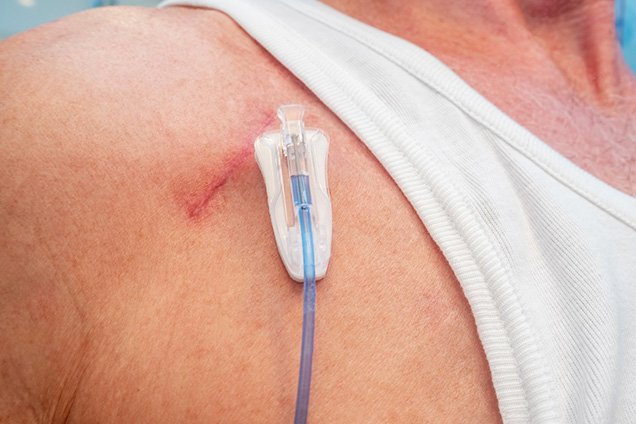
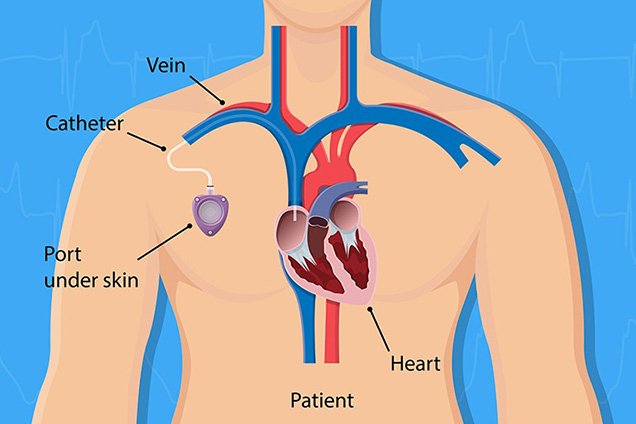
Different treatment techniques require different design options, which doctors use to access patients' veins through chemo ports. The single-lumen port stands as the most common port that doctors use to conduct regular chemotherapy treatments and perform blood tests.
Doctors use double-lumen ports to deliver two different infusions, which become necessary when multiple drugs need to be administered simultaneously. Some ports are made with power-injectable material, which enables doctors to use them during CT contrast scans. Ports may be constructed from titanium or medical-grade plastic with a silicone septum for needle access.
Doctors select ports based on three factors, which include the chemotherapy protocol, the patient's vein condition, and their expected treatment duration as proper selection ensures safety, durability and patient comfort throughout therapy.
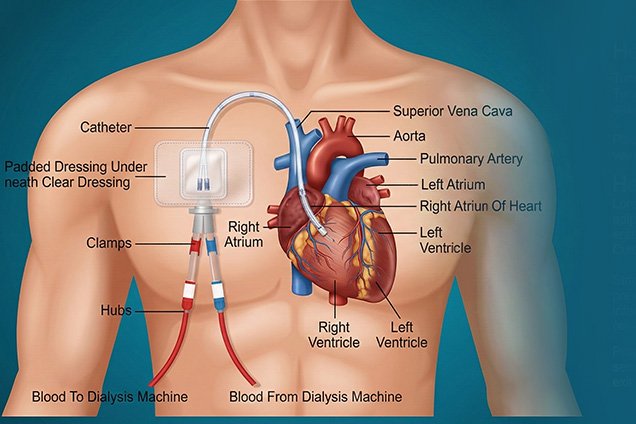
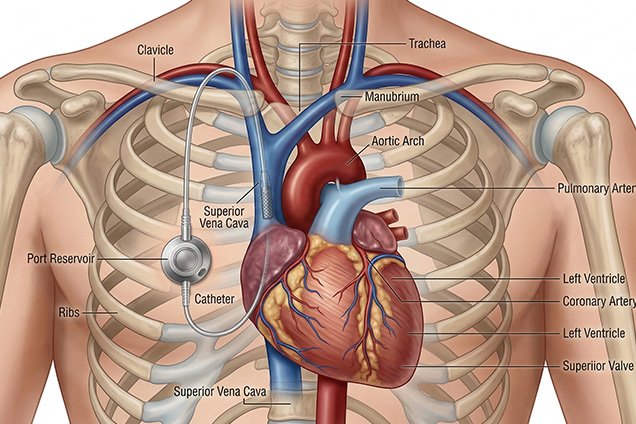
The procedure for chemotherapy port insertion requires cleaning and maintenance to ensure proper operation of the port area. The dressing should remain dry for the first 24 hours. Patients must observe the port site for any signs of redness, swelling, pain or discharge which may occur around the port area.
The port requires complete saline and heparin flushing because this process protects against potential blockages. Avoid heavy lifting and vigorous arm movement for several days. The wound needs to reach complete healing before patients can return to their normal bathing routine.
Regular follow-up visits ensure correct position and early detection of infection, helping maintain safe long-term venous access during chemotherapy. The routine enables continuous treatment while building patient trust throughout each day of the treatment cycle.
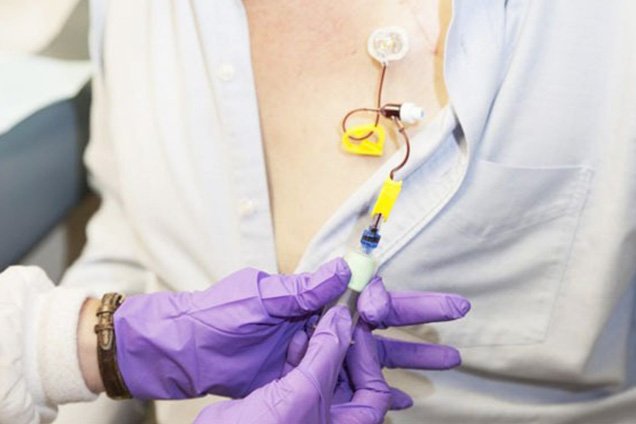
Selecting an expert for chemo port insertion ensures accurate placement, patient comfort, and reliable long-term chemotherapy delivery. Experienced surgeons evaluate vein quality, choose the appropriate device, and perform the procedure under strict sterile conditions using imaging guidance to reduce risks such as infection, thrombosis, or malposition. They also provide proper follow-up care, including port flushing, wound care, and patient guidance to maintain functionality. Expert care helps patients experience fewer treatment interruptions and makes chemo port insertion safer and more effective.
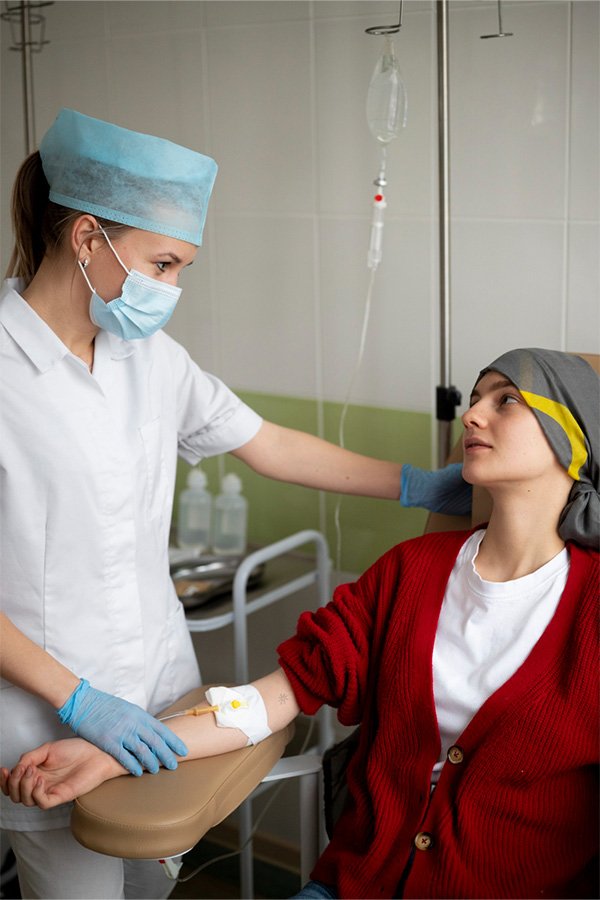
Patients experience minimal discomfort from chemo port insertion because doctors use local anesthesia or light sedation during the procedure. Patients experience pressure and mild discomfort as the procedure progresses. The site will become sore after insertion which patients can manage through basic pain medication for several days.
A chemo port can remain in place for several months or even years if required for treatment. The device provides continuous operation throughout the entire chemotherapy treatment period. The doctor can remove the port after treatment because it no longer serves any medical purpose.
Patients can begin bathing once their incision site has reached complete healing. The first three days after insertion require patients to maintain dryness in their insertion area to avoid developing infections. Patients can resume their regular bathing and showering practices after their body has completed the healing process. Patients must wait for doctor approval before they can swim at the site of their treatment.
Modern chemo ports use MRI-compatible materials which enable patients to undergo imaging without safety concerns. Some ports enable power injection which allows CT contrast material to be administered through the system. Patients should inform radiology staff about the port before scanning so that proper precautions and settings are used safely.
The price of chemo port insertion in India depends on the hospital type, doctor experience, and port device selection. It is generally affordable compared to many countries. The final cost of the service includes three components, which are the port device, the procedure charges, and the hospital services. The medical team will determine the exact costs after they complete their evaluation and treatment planning process.
The chemo port remains in place until patients complete their chemotherapy treatment and stop requiring intravenous therapy. The procedure requires local anaesthesia to complete a simple, minor operation, which can be performed. The small incision site will heal fast after the procedure, and patients will be able to resume their daily activities after a brief recovery period.
The chemo port requires flushing because it needs to prevent blockages when users are not using it. The system requires flushing every four to six weeks with saline and heparin solution. The procedure maintains catheter patency while decreasing the probability of developing clots that would obstruct the port during periods when treatment stops.
Infection occurs when bacteria penetrate the port area or the bloodstream. The first symptoms appear as people experience redness, swelling, pain, fever, and discharge from the port area. The combination of proper sterile handling and cleaning procedures and regular flushing creates an effective system that decreases the chances of infection occurring. The early detection process allows doctors to treat patients with antibiotics, which prevents severe complications while protecting the port from permanent damage.
A chemo port is better than a normal IV line for long-term chemotherapy because it protects arm veins from damage and reduces repeated needle pricks. The system establishes dependable blood vessel access, which enables the administration of potent medications and the execution of blood examinations. The solution enhances patient experience and establishes safe treatment procedures while maintaining continuous cancer care throughout extended treatment periods.
Only experienced surgeons or interventional specialists who have received central venous access training should perform chemo port insertion. The correct expertise enables precise device positioning, which decreases potential infections and guarantees safe device operation over extended durations. The selection of a qualified physician enhances patient comfort while decreasing treatment difficulties, which enables continuous chemotherapy delivery.
Start your journey towards recovery today. Contact us via phone or fill out our appointment form to schedule a consultation with Dr. Vinay Samuel Gaikwad.
Book A Consultation