☰
Laparoscopic Colorectal Surgery in India provides minimally invasive treatment for colon and rectal cancers, offering precise tumour removal, faster recovery, reduced pain, and improved long term surgical and oncological outcomes.
Senior Surgical Oncologist with more than twenty years of colorectal cancer surgery experience
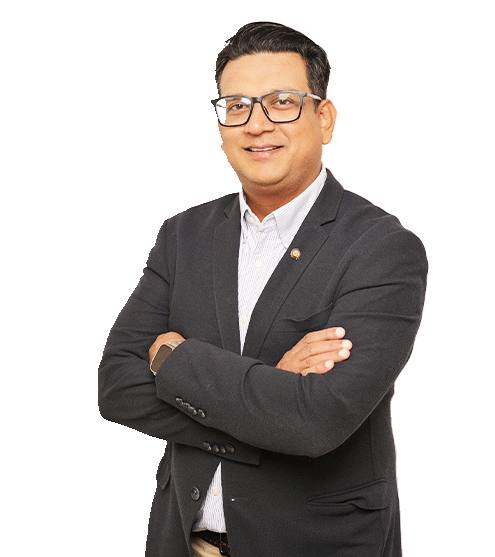
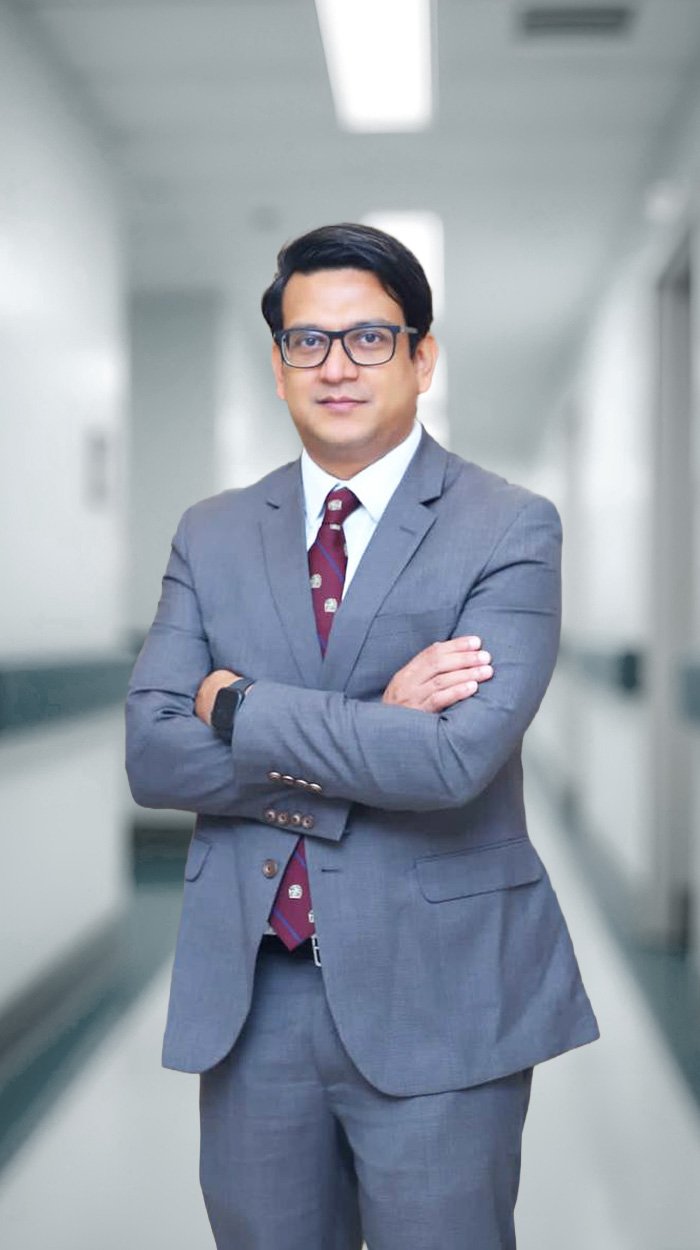
Dr. Vinay Samuel Gaikwad is recognised as a leading colorectal cancer surgeon in India, known for precise laparoscopic cancer surgery and consistent outcomes. He treats complex colon and rectal cancers using minimally invasive techniques, ensuring safe tumour removal, faster recovery, and better bowel function. His patient-focused approach includes personalised treatment planning, multidisciplinary evaluation, and compassionate postoperative care for effective long-term cancer control.
Years of Experience
Complex Surgeries
Treated Cancer Patients
Laparoscopic colorectal surgery is a minimally invasive technique used to treat diseases of the colon and rectum, including cancer. The surgeon operates through small incisions using a camera and specialised instruments to remove the tumour and affected bowel segment.
This approach provides better visualisation of internal structures while causing less trauma to surrounding tissues. Compared to open surgery, laparoscopic colorectal surgery results in reduced pain, smaller scars, and faster recovery.
It also allows earlier return of bowel function and shorter hospital stay. When performed by an experienced specialist, it offers safe tumour removal with reliable long-term cancer control.
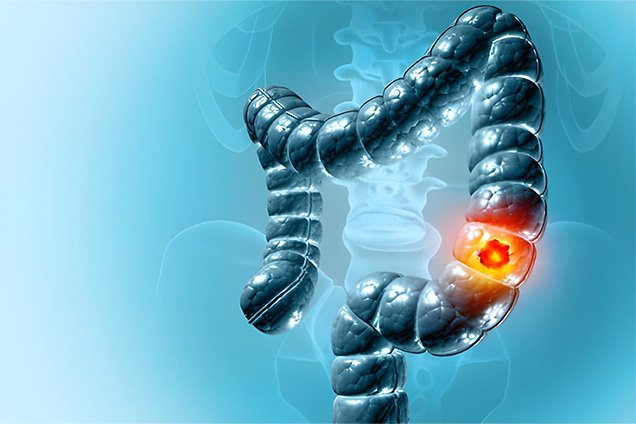
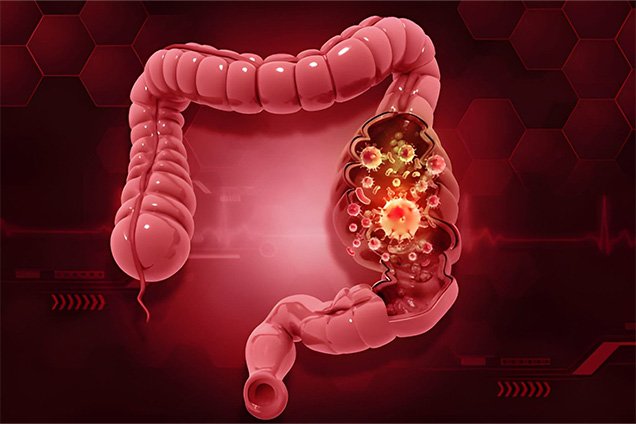
An ideal candidate for colorectal cancer surgery typically includes patients who have been recently diagnosed with early-stage colon or rectal cancer, where the tumor is confined to the bowel and there is no evidence of distant organ metastasis at the time of presentation. Individuals should be medically fit to undergo general anaesthesia and minimally invasive surgical procedures, including laparoscopic techniques that allow safe and complete tumor removal.
Patients with well-controlled medical conditions and adequate nutritional status are also considered suitable, as these factors support better surgical outcomes and recovery. In certain cases, selected patients with advanced cancer who have shown a favorable response to chemotherapy may also be eligible for surgery. Additionally, ideal candidates are those who are motivated to adhere to postoperative follow-up care and necessary lifestyle modifications. Every patient is thoroughly assessed by a multidisciplinary tumor board to ensure appropriate surgical planning and personalized treatment decisions.
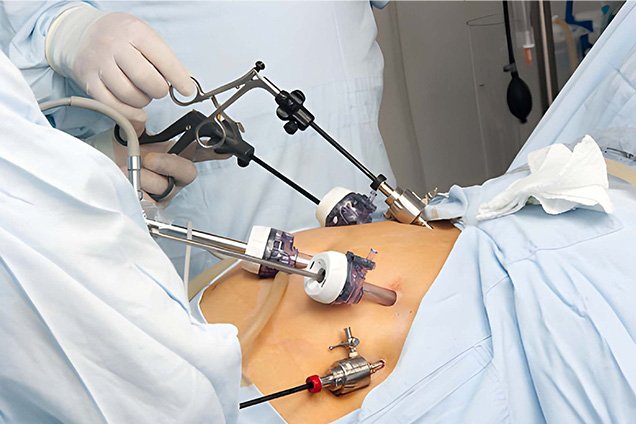
Dr. Vinay Samuel Gaikwad is trusted for advanced laparoscopic colorectal surgery in India, offering precise tumour removal through minimally invasive techniques. His approach focuses on preserving bowel function, reducing recovery time, and ensuring safe cancer treatment. Each patient receives a personalised surgical plan based on detailed evaluation, imaging, and multidisciplinary discussion, with care guided by modern surgical standards and a commitment to long-term cancer control.
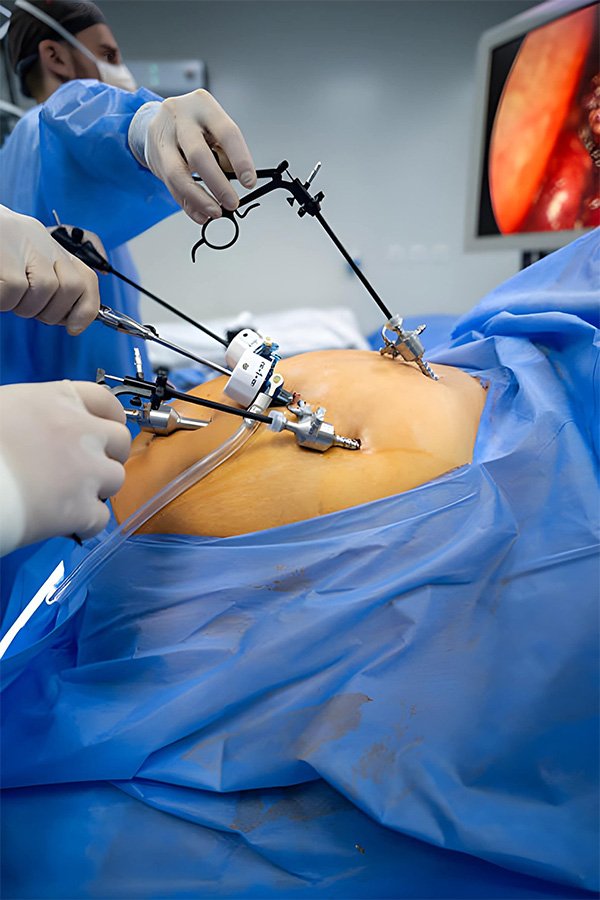
Laparoscopic colorectal cancer surgery is a minimally invasive procedure used to remove cancerous sections of the colon or rectum using small incisions, a camera, and specialised instruments, resulting in less pain, faster recovery, shorter hospital stay, and effective long term cancer control. It supports precise surgical tumour removal safely and consistently.
Laparoscopic colorectal cancer surgery usually lasts several hours for completion. Duration depends on the tumour location and disease extent in patients. Surgical complexity and previous operations can increase operating time significantly. Most procedures finish within four to six hours for safety. Exact timing is discussed after preoperative evaluation with the surgeon.
Hospital stay after laparoscopic colon cancer surgery is usually shorter. Most patients remain admitted for five to seven days, typically. Early mobilisation and feeding help speed discharge safely for patients. Complications may prolong stay depending on recovery progress and response. Doctors decide discharge timing after monitoring vital functions and healing.
A stoma is not required for every patient after surgery. Need depends on tumour position and the surgical technique used. Low rectal cancers sometimes require temporary protective stomas for healing. Many stomas can be reversed after recovery with proper care. The surgeon explains the need before the planned operation to patients.
Patients usually resume light activities within two weeks after surgery. Walking is encouraged early to improve circulation and bowel function. Heavy lifting should be avoided until the surgeon permits it safely. Return to work depends on job type and recovery speed. Full activity resumes gradually over several weeks with medical guidance.
Chemotherapy after surgery depends on cancer stage and pathology results. Some patients require additional treatment to reduce recurrence risk significantly. Early-stage cancers may not need chemotherapy after successful surgery. Decisions are made using tumour board recommendations and reports together. The oncologist explains the benefits and side effects clearly to patients.
Success rate depends on cancer stage and the surgical completeness achieved. Early detection and timely surgery improve long-term outcomes significantly. Laparoscopic technique offers similar cancer control to open surgery results. Surgeon experience plays a major role in the success for patients. Regular follow-up ensures early detection of recurrence and management.
Laparoscopic surgery may be suitable for selected advanced cancer cases. Careful imaging helps determine the feasibility before the operation for each patient. Tumour size and spread influence surgical approach decisions during planning. Some advanced cases still require open surgery methods for safety. Final decision is made after a multidisciplinary team evaluation for care.
Dr Vinay Gaikwad offers extensive experience in colorectal cancer surgery. He is trained in advanced laparoscopic and robotic techniques internationally. Multidisciplinary planning ensures accurate staging and treatment selection for patients. Patient safety, recovery and quality of life are priorities always. Compassionate care and transparent communication support long term outcomes success.
Start your journey towards recovery today. Contact us via phone or fill out our appointment form to schedule a consultation with Dr. Vinay Samuel Gaikwad.
Book A Consultation