☰
Retroperitoneal Sarcoma Treatment in India provides specialised surgical care for rare abdominal tumors, combining precise tumor removal, advanced imaging, and multidisciplinary oncology planning for improved survival and functional recovery.
Dr Vinay Samuel Gaikwad is recognised as a leading Sarcoma Surgeon in India for his precise surgical techniques, which he uses to treat rare and complex retroperitoneal tumors. His extensive experience in abdominal and soft tissue sarcomas enables him to create optimal surgical plans that achieve complete tumor removal while protecting essential body functions.
The medical team develops specific treatment plans for each patient by examining their imaging results and pathology data and conducting interdisciplinary meetings. His approach focuses on three goals which include achieving oncological clearance and enabling functional recovery while minimizing complications for patients. Patients trust his care for transparent communication, ethical practice and commitment to long-term cancer control and dignified survivorship.
Years of Experience
Complex Surgeries
Treated Cancer Patients
Retroperitoneal sarcoma is a rare type of cancer that develops from soft tissues located in the retroperitoneal space which exists behind the abdominal organs. These tumors develop from fat tissue, muscle tissue, nerve tissue and connective tissue but they typically progress without showing any signs during the early stages of development.
The available space allows them to reach their maximum size before people notice their presence. Retroperitoneal sarcomas will extend their growth until they exert pressure on the kidneys, intestines, and major blood vessels.
The main treatment consists of surgical removal, while treatment results depend on the tumor type, its size, and the possibility of complete resection. The assessment by specialists leads to better chances for achieving long-term control over the disease.
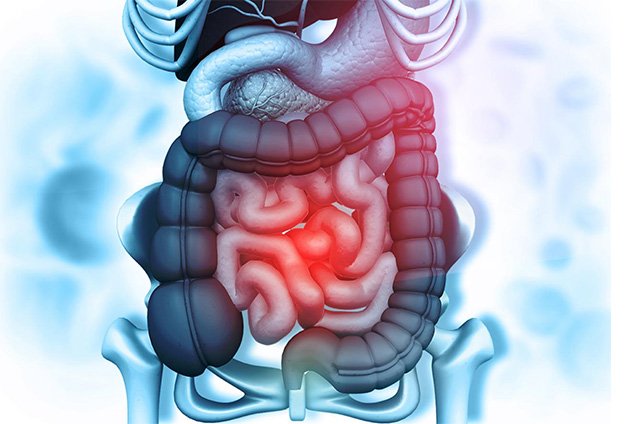
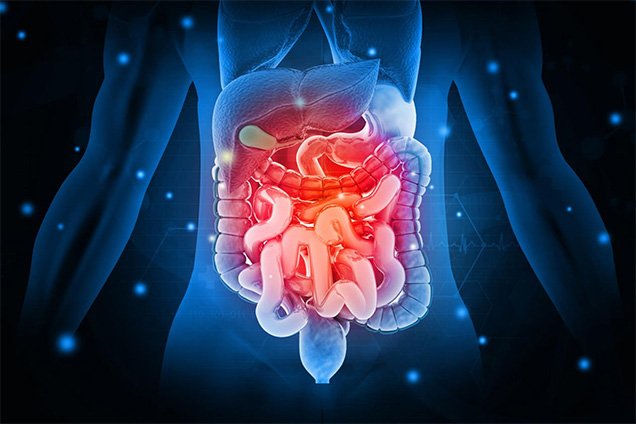
The process of diagnosing retroperitoneal sarcoma starts with clinical assessment and imaging tests. The CT scan or MRI with contrast enhancement helps medical professionals assess the tumor's dimensions and position and its relationship with adjacent organs and blood vessels.
The scans assist in determining whether surgical removal is possible and help develop the surgical procedure. Medical professionals use core needle biopsy to identify the specific sarcoma type and its grade level before starting treatment. The blood tests assess a person's overall health condition and the functioning abilities of their organs.
The optimal management strategy requires mandatory review by multiple specialists during tumor board meetings. The diagnostic process needs to be accurate because it determines which surgical method to use and which additional treatments, such as radiation or chemotherapy should be administered when necessary.

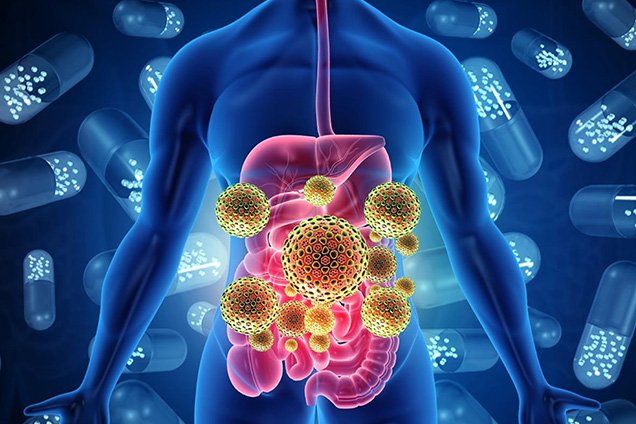
Surgical procedures for retroperitoneal sarcoma present difficulties because tumors develop in proximity to essential organs and key blood vessels, which include the kidneys, intestines, pancreas, and large arteries. The tumors tend to grow to excessive sizes which makes their safe removal extremely difficult.
Surgeons need to remove adjacent body parts to achieve sufficient removal of cancerous tissue while protecting vital bodily functions. The procedure carries an increased risk of blood loss and danger because of its proximity to major blood vessels while nerve damage will impact recovery after the operation.
Successful outcomes depend on three essential elements, which include precise preoperative imaging, collaborative planning among professionals, and skilled surgical execution to achieve complete tumor removal while maintaining organ function and ensuring patient safety.
Choosing an expert sarcoma surgeon in India ensures accurate diagnosis, careful surgical planning, and safe removal of retroperitoneal sarcoma. Experienced specialists understand the complex anatomy of the retroperitoneal space and can effectively manage tumors involving major organs and blood vessels. Their expertise in advanced surgical techniques allows complex procedures when needed, while multidisciplinary collaboration with medical and radiation oncologists ensures the best treatment sequence. Expert care helps reduce complications, improve treatment outcomes, and supports long-term follow-up and quality of life after treatment.
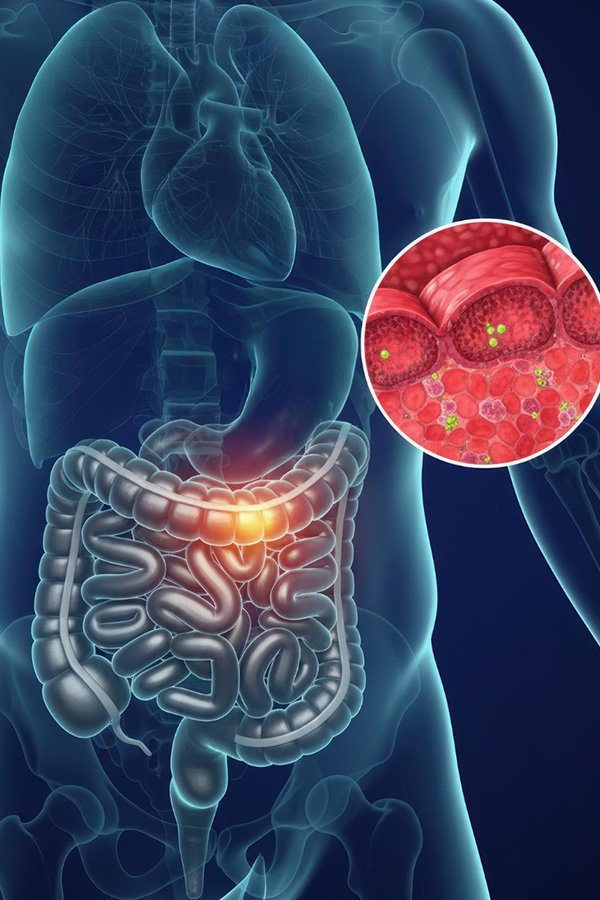
Retroperitoneal sarcoma is a rare cancer that develops from soft tissues which include fat, muscle and connective tissue that exists behind the abdominal organs. The tumors develop at a slow rate which causes them to reach substantial size before people discover them because they compress surrounding organs and blood vessels which need complex surgical procedures for removal.
The primary treatment method for retroperitoneal sarcoma involves surgical procedures according to medical guidelines. The best outcome for disease control occurs when doctors achieve complete tumor removal with clear margins. Doctors use radiation and chemotherapy as additional treatments to decrease recurrence rates or treat advanced disease based on the specific tumor type.
Retroperitoneal sarcomas can grow very large because there is significant space in the abdomen for expansion. Some tumors reach sizes that exceed twenty centimeters, at which point they start to produce symptoms. The large size of these tumors makes surgical procedures more difficult which makes it essential to diagnose patients early and to obtain specialized surgical treatment.
A complete cure is possible in selected patients when the tumour is detected early and completely removed with clear margins. Tumor type, grade and size determine the length of survival. The tumors present a risk of local recurrence, which requires ongoing monitoring as part of their regular follow-up process.
The surgical team needs to remove surrounding organs because the tumor has spread into those areas. The surgical team must remove the kidneys, intestinal sections and pancreatic parts to achieve complete tumor removal. The surgical team aims to keep all organs intact while they remove all cancerous tissue from the patient.
Selected patients receive radiation therapy before or after their surgical treatments to decrease the chances of developing recurrent cancer in the same area. Not all cases need this treatment. The decision requires multidisciplinary tumor board planning which evaluates the tumor's size and its specific location and histological type.
Surgical treatment of retroperitoneal sarcoma leads to local recurrence risk which depends on tumour type, tumour grade and surgical resection completeness. The primary method for detecting recurrence requires patients to undergo regular imaging assessments which help determine the need for additional treatment to maintain long-term disease control.
The surgical recovery period lasts for multiple weeks after the operation. The duration of hospital stays extends from seven days to fourteen days based on the surgical complexity and the number of organs that doctors need to remove. Patients will take four to eight weeks to return to their normal daily routines. Patients receive follow-up care which consists of wound management, nutritional support and imaging tests to monitor recurrence.
Chemotherapy has limited effectiveness for most retroperitoneal sarcomas and is mainly used for specific subtypes or advanced disease. The medication shrinks tumors before surgery and treats high-risk patients after surgical procedures. Doctors determine treatment methods by examining both tissue samples and the patient's medical condition.
A specialist surgeon understands the complex anatomy and behavior of retroperitoneal sarcoma. The expert treatment enables complete tumor removal while decreasing treatment complications and establishing correct radiation or chemotherapy protocols. The specialist consultation leads to better treatment outcomes which include improved patient survival rates and enhanced post-treatment quality of life.
Start your journey towards recovery today. Contact us via phone or fill out our appointment form to schedule a consultation with Dr. Vinay Samuel Gaikwad.
Book A Consultation