
☰
Whipple Surgery in India offers advanced surgical treatment for pancreatic and periampullary cancers, combining precise tumour removal with modern techniques to improve survival, recovery, and long-term digestive function.
Dr. Vinay Samuel Gaikwad is recognised as a leading pancreatic cancer surgeon in India, known for performing safe and precise Whipple surgery with strong oncological outcomes. He uses advanced surgical techniques for complete tumour removal and creates personalised treatment plans based on imaging, pathology, and multidisciplinary evaluation. His approach focuses on patient safety, preserving digestive function, and supporting recovery, while providing transparent communication and compassionate care throughout treatment.

Years of Experience
Complex Surgeries
Treated Cancer Patients
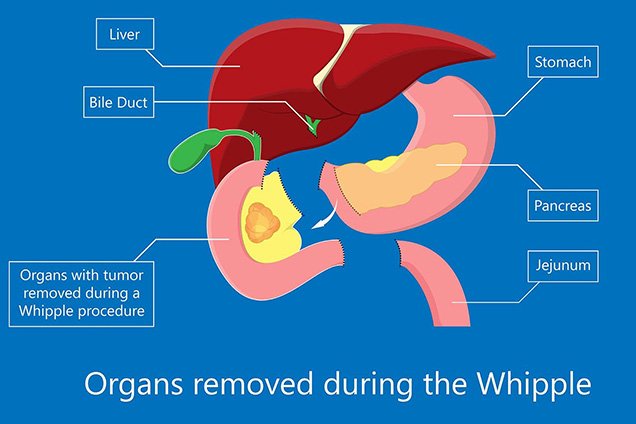
Whipple surgery, also called pancreaticoduodenectomy, is a complex operation used to remove cancers located in the head of the pancreas and nearby structures. During the procedure, the surgeon removes the pancreatic head, part of the small intestine, gallbladder, bile duct, and sometimes a portion of the stomach.
The remaining organs are then carefully reconnected to restore digestion. This surgery aims to completely remove the tumour while preserving digestive and liver function.
It is considered the most effective curative treatment for selected pancreatic and periampullary cancers when performed by an experienced specialist in a high-quality surgical centre.
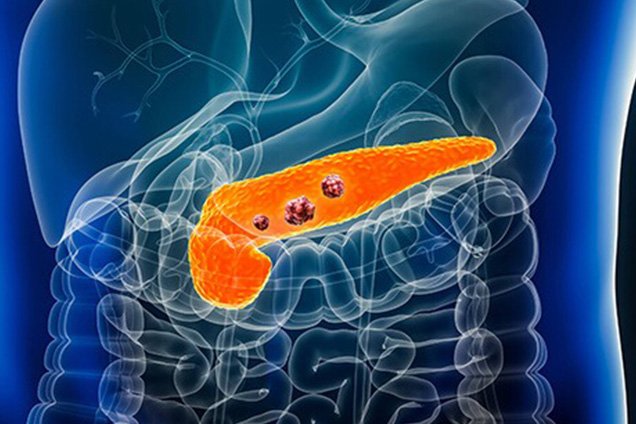
Whipple surgery is mainly performed to treat cancers arising in the head of the pancreas and surrounding structures. It is commonly used for pancreatic cancer, bile duct cancer, ampullary cancer, and duodenal cancer located near the pancreatic region.
Certain noncancerous conditions, such as chronic pancreatitis with severe complications, may also require this procedure. The goal of surgery is the complete removal of the tumour along with affected tissues to prevent further spread of disease.
When performed at an early stage, Whipple surgery offers the best chance for long-term survival and improved quality of life in selected patients.

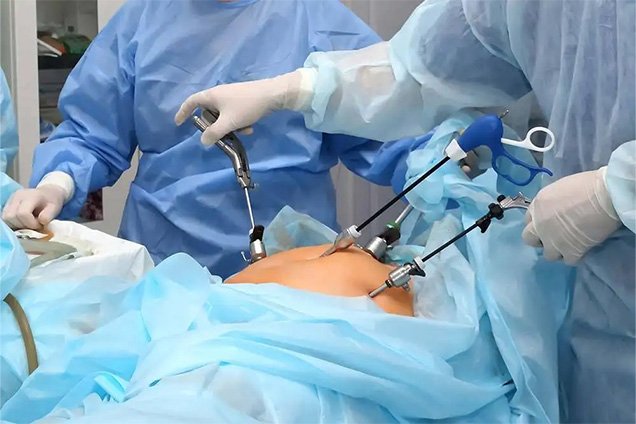
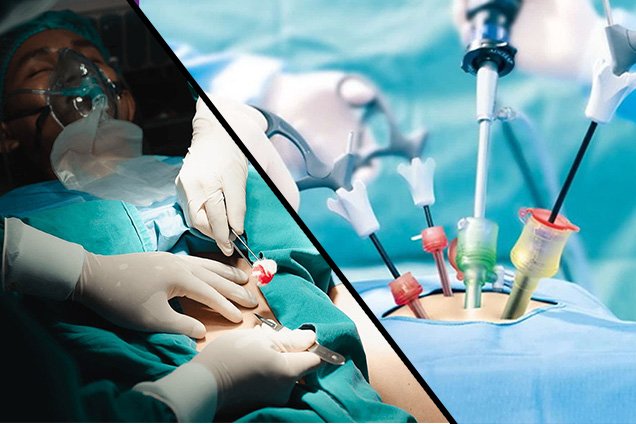
Laparoscopic Whipple surgery offers several advantages over the traditional open approach for suitable patients. Smaller incisions result in less postoperative pain, reduced blood loss, and lower risk of wound infection.
The magnified camera view allows precise dissection of delicate structures such as blood vessels and bile ducts. Patients usually experience faster return of bowel function and shorter hospital stay. Cosmetic results are better due to minimal scarring.
Early mobilisation and quicker recovery improve overall comfort and quality of life after surgery. When performed by an experienced pancreatic surgeon, laparoscopic Whipple provides effective tumour removal with safe oncological outcomes and improved postoperative recovery.

Dr. Vinay Samuel Gaikwad is widely trusted for performing Whipple Surgery in India with precision and patient-centred care. With experience in pancreatic and periampullary cancers, he ensures safe tumour removal while preserving digestive function. Each patient receives a personalised surgical plan based on imaging, pathology review, and multidisciplinary discussion, with a strong focus on modern surgical standards, compassionate guidance, and long-term cancer control.

Whipple surgery is used to treat cancers located in the head of the pancreas and nearby structures such as the bile duct, ampulla, and duodenum. It may also be performed for selected noncancerous pancreatic conditions when severe complications develop and other treatments fail to provide relief.
Laparoscopic Whipple surgery is considered safe when performed by an experienced pancreatic cancer surgeon in a specialised centre. It offers smaller incisions, reduced pain, and faster recovery compared to open surgery. Careful patient selection and advanced technology are essential for maintaining safety and achieving good outcomes.
Success rate depends on cancer stage, tumour location, and complete removal during surgery. Early stage pancreatic and periampullary cancers have better outcomes. When performed by skilled surgeons, Whipple surgery provides reliable cancer control and improved survival compared to non surgical treatment options alone.
Hospital stay after Whipple surgery usually ranges from ten to fourteen days depending on recovery speed and presence of complications. Patients are monitored for pain control, digestion, and wound healing. Some individuals may require longer stay for nutritional support or management of postoperative issues.
Chemotherapy after Whipple surgery depends on tumour type, stage, and pathology results. Many patients require additional treatment to reduce recurrence risk and improve survival. Decisions are made through multidisciplinary tumour board discussions and personalised according to individual cancer characteristics and overall health condition.
Whipple surgery is a major operation and carries risks such as bleeding, infection, and leakage from reconnections. However, risk is significantly reduced when performed by experienced surgeons in high volume centres. Careful monitoring and modern surgical techniques improve safety and recovery for most patients.
Recovery after Whipple surgery takes several weeks to months. Patients gradually regain strength, appetite, and digestive function. Light activities can resume within a few weeks, while full recovery depends on nutrition, physical condition, and additional treatments such as chemotherapy if required after surgery.
Digestion may change after Whipple surgery because parts of the pancreas and intestine are removed. Enzyme supplements and dietary adjustments help improve digestion. Most patients adapt gradually and can eat normal meals over time with medical guidance and nutritional counselling support for long term comfort.
Cost of Whipple surgery in India varies based on hospital type, surgeon expertise, and treatment complexity. It is generally more affordable than in many Western countries while maintaining high medical standards. The exact cost is determined after diagnostic evaluation and treatment planning by the surgical team.
Dr Vinay Samuel Gaikwad offers extensive experience in pancreatic cancer surgery with advanced training in India and abroad. He combines surgical precision with compassionate care and multidisciplinary planning. Patients choose him for safe Whipple surgery, transparent communication, and commitment to long-term recovery and cancer control.
Start your journey towards recovery today. Contact us via phone or fill out our appointment form to schedule a consultation with Dr. Vinay Samuel Gaikwad.
Book A Consultation