Home / Neuroendocrine Tumour Surgery in India

Neuroendocrine Tumour Surgery in India

Neuroendocrine Tumors (NETs) demand special assessment and planning for treatment to ensure good results from therapy. In cases where surgery is recommended, quick action can help in removal of tumors, disease management and increased life expectancy. Dr. Vinay Samuel Gaikwad provides Neuroendocrine Tumor Surgery in India with customized treatment solutions.

Dr. Vinay Samuel Gaikwad – Best Neuroendocrine Tumour Surgeon in India

Neuroendocrine tumours require expert surgical care, in-depth knowledge of gastrointestinal cancers, and a multidisciplinary treatment approach. Dr. Vinay Samuel Gaikwad specializes in the management of complex neuroendocrine tumours, providing personalized treatment strategies based on the tumour type, location, stage, and individual patient needs to achieve the best possible outcomes.

  • Over 20 years of experience in specialized cancer surgery
  • Expertise in GI Oncology, HPB Oncology, Neuroendocrine Tumours, HIPEC, and Robotic Surgery
  • Advanced training at Tata Memorial Hospital and MSKCC, New York
  • Personalized treatment strategy for every patient
  • Multidisciplinary tumour board-based treatment planning
  • Patient safety and outcome-oriented approach
  • Comprehensive support from diagnosis to recovery
Dr. Vinay Samuel Gaikwad – Best Neuroendocrine Tumour Surgeon in India

20+

Years of Experience

9564+

Complex Surgeries

15404+

Treated Cancer Patients

What is Neuroendocrine Tumour Surgery?

What is Neuroendocrine Tumour Surgery?

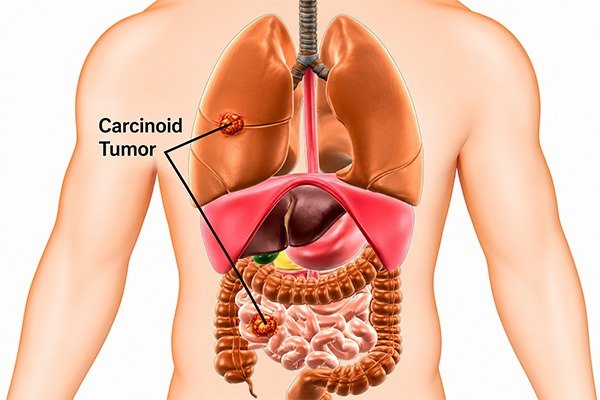
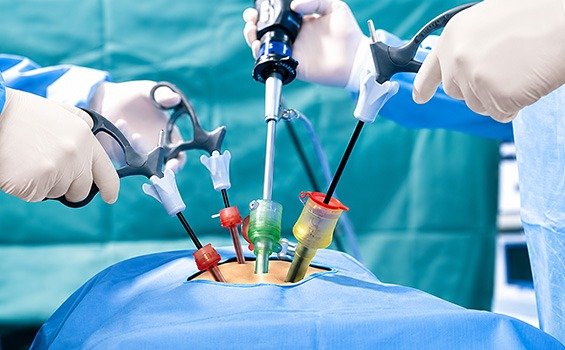
Neuroendocrine tumour surgery is performed to remove the neuroendocrine tumour along with any affected surrounding tissues or organs whenever surgery is considered an appropriate treatment option. Surgical management plays a vital role in treating neuroendocrine tumours and is often an important part of a comprehensive, multidisciplinary treatment plan.

Neuroendocrine tumour surgery may help by:

  • Removing the primary tumour
  • Controlling disease progression
  • Reducing the overall tumour burden
  • Improving symptom control
  • Enhancing quality of life

Who is an Ideal Candidate for Neuroendocrine Tumour Surgery?

A detailed clinical evaluation, imaging studies, and multidisciplinary assessment help determine whether surgery is the most appropriate treatment option for a neuroendocrine tumour.

You may be a suitable candidate if you:
  • Have been diagnosed with a neuroendocrine tumour
  • Have a tumour that can be safely removed through surgery
  • Have localized or surgically treatable disease
  • Are in good general health and fit for surgery
  • Have surgery recommended by your oncologist or tumour board
  • Would benefit from a personalized treatment approach that includes surgery
Who is an Ideal Candidate for Neuroendocrine Tumour Surgery?
What Types of Neuroendocrine Tumours Can Be Treated with Surgery?

What Types of Neuroendocrine Tumours Can Be Treated with Surgery?

Surgical treatment may be recommended for a variety of neuroendocrine tumours depending on their location, stage, and overall treatment plan.

These include:

  • Pancreatic neuroendocrine tumours (PNETs)
  • Small intestine neuroendocrine tumours
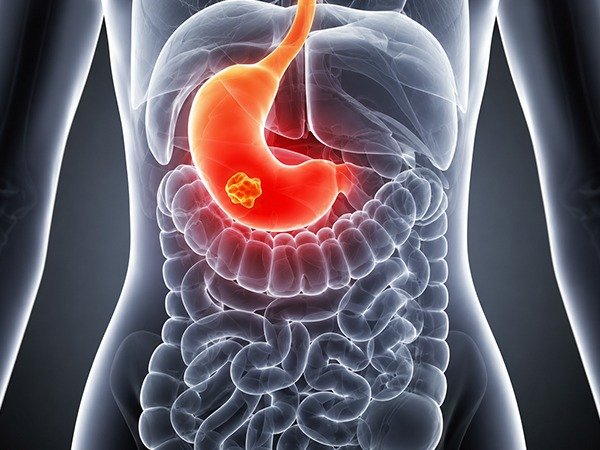
  • Gastric (stomach) neuroendocrine tumours
  • Appendiceal neuroendocrine tumours
  • Colorectal neuroendocrine tumours
  • Selected metastatic neuroendocrine tumours where surgery is appropriate

When to Consult a Doctor for Neuroendocrine Tumour Surgery?

Early consultation with a specialist can help determine the most appropriate treatment strategy and improve treatment planning for neuroendocrine tumours.

Consult a specialist if you:
  • Have been diagnosed with a neuroendocrine tumour
  • Have been advised to undergo surgery
  • Need a second opinion regarding your treatment plan
  • Have a suspicious neuroendocrine tumour that requires further evaluation
  • Experience symptoms related to neuroendocrine tumours (NETs)
  • Want expert guidance on the most suitable treatment options
When to Consult a Doctor for Neuroendocrine Tumour Surgery?
How to Prepare for Neuroendocrine Tumour Surgery?

How to Prepare for Neuroendocrine Tumour Surgery?

Proper preparation helps ensure safe surgery, effective treatment planning, and a smoother recovery after neuroendocrine tumour surgery.

Preparation may include:

  • Blood investigations
  • CT scan, MRI, or PET scan evaluation
  • Hormonal assessment, when required
  • Preoperative fitness assessment
  • Anesthesia consultation
  • Nutritional evaluation and counselling
  • Detailed treatment planning discussions

What to Expect After Neuroendocrine Tumour Surgery?

Patients receive comprehensive post-operative care, close monitoring, and recovery support to promote healing and achieve the best possible outcomes.

After surgery, you can expect:
  • Hospital-based recovery under specialist supervision
  • Pain management and supportive care
  • Nutritional guidance for recovery
  • Regular monitoring of your progress
  • Scheduled follow-up evaluations
  • Personalized recovery and rehabilitation planning
  • Individualized post-operative care and long-term follow-up
What to Expect After Neuroendocrine Tumour Surgery?

How is Neuroendocrine Tumour Surgery Performed?

Pancreatic Neuroendocrine Tumour Surgery

Surgery involves removing the neuroendocrine tumour along with the affected pancreatic tissue while preserving as much healthy pancreatic function as possible.

Small Intestine Neuroendocrine Tumour Surgery

The affected segment of the small intestine is surgically removed along with surrounding tissues when necessary to achieve complete tumour clearance.

Gastric and Colorectal NET Surgery

Neuroendocrine tumours involving the stomach or colon are treated using specialized surgical procedures tailored to the tumour's location and extent.

Advanced Neuroendocrine Tumour Surgery

Complex neuroendocrine tumour cases may require advanced surgical techniques and multidisciplinary planning to achieve the best possible outcomes.

How is Neuroendocrine Tumour Surgery Performed?

What Are the Benefits of Neuroendocrine Tumour Surgery?

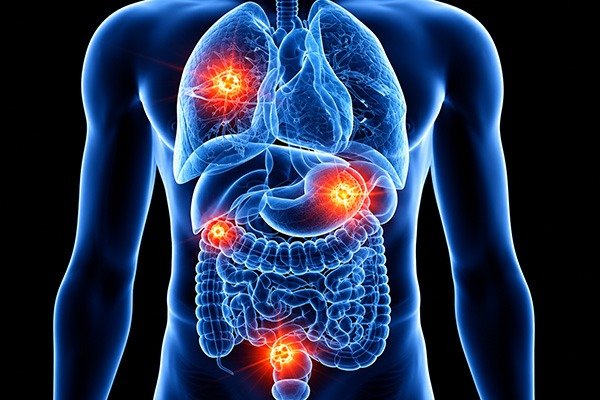
For suitable patients, neuroendocrine tumour surgery offers several important benefits by removing or reducing the tumour burden and improving overall disease management.

Potential benefits include:
  • Complete tumour removal whenever possible
  • Better disease control and slower disease progression
  • Improved symptom management
  • Reduced tumour burden
  • Improved treatment outcomes
  • Enhanced quality of life
What Are the Benefits of Neuroendocrine Tumour Surgery?
What Are the Risks or Complications of Neuroendocrine Tumour Surgery?

What Are the Risks or Complications of Neuroendocrine Tumour Surgery?

The risks associated with neuroendocrine tumour surgery vary depending on the tumour's location, the extent of surgery, and the patient's overall health. Your surgeon will discuss the potential risks and expected outcomes before treatment.

Potential complications may include:

  • Bleeding
  • Infection
  • Leakage from surgical connections
  • Digestive complications
  • Blood clots
  • Delayed recovery

Recovery Tips After Neuroendocrine Tumour Surgery

Recovery is an essential part of successful neuroendocrine tumour treatment. Following your surgeon's advice can help promote healing and reduce the risk of complications.

Patients are advised to:

  • Follow dietary recommendations
  • Attend all scheduled follow-up appointments
  • Stay physically active as advised by your healthcare team
  • Take prescribed medications regularly
  • Maintain adequate hydration
  • Report any unusual symptoms or concerns promptly
Recovery Tips After Neuroendocrine Tumour Surgery

Why Choose Dr. Vinay Samuel Gaikwad for Neuroendocrine Tumour Surgery?

Dr. Vinay Samuel Gaikwad is one of India's leading Surgical Oncologists with extensive experience in the management of complex gastrointestinal and neuroendocrine tumours. With expertise in advanced cancer surgery and a patient-centric approach, he provides personalized treatment plans designed to achieve the best possible outcomes for every patient.

  • Over 20 years of experience in complex and specialized cancer surgeries
  • Expertise in Neuroendocrine Tumour Surgery, GI Oncology, HPB Oncology, HIPEC, and Robotic Cancer Surgery
  • Advanced training at Tata Memorial Hospital, Mumbai, and Memorial Sloan Kettering Cancer Center (MSKCC), New York
  • Multidisciplinary tumour board-based treatment planning
  • Focus on complete tumour removal while preserving organ function whenever possible
  • Personalized treatment plans tailored to each patient's condition
  • Strong emphasis on patient safety, faster recovery, and long-term outcomes
  • Comprehensive support from diagnosis through treatment and post-operative follow-up

Take the Next Step & Schedule a Consultation Today


Neuroendocrine Tumour Surgery FAQs

Frequently Asked Questions

For many localized neuroendocrine tumours, surgery is often the preferred treatment option and may provide the best opportunity for long-term disease control.

No. The suitability of surgery depends on the tumour's location, stage, extent of spread, and the patient's overall health. A detailed evaluation helps determine the most appropriate treatment plan.

The duration of surgery varies depending on the tumour's location, the complexity of the procedure, and the extent of surgery required. Your surgeon will discuss the expected operative time before treatment.

Some patients may require additional treatment such as targeted therapy, chemotherapy, or regular surveillance depending on the final pathology report and overall treatment plan.

Recovery varies for each patient based on the type of surgery and overall health. Most patients benefit from follow-up care, nutritional support, and a gradual return to normal daily activities.

Together, We Can
Fight Against Cancer

Start your journey towards recovery today. Contact us via phone or fill out our appointment form to schedule a consultation with Dr. Vinay Samuel Gaikwad.

Book A Consultation

Dr. Vinay Samuel Gaikwad - Cancer Specialist in India
×