☰
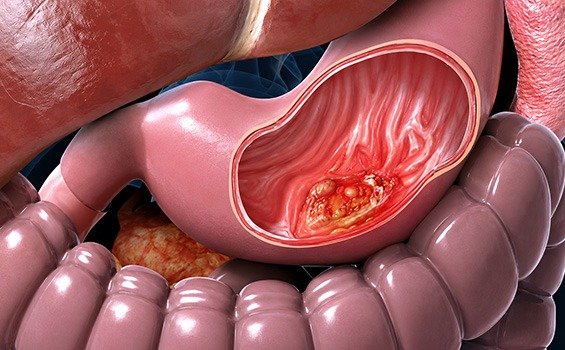
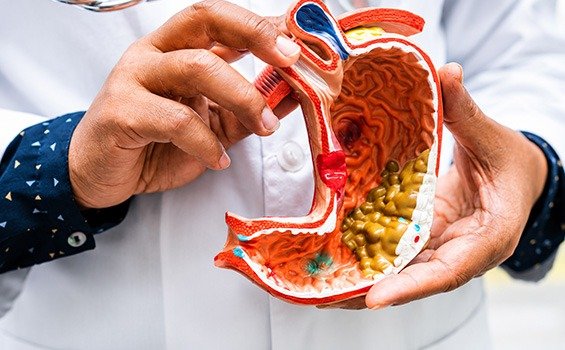
Gastrointestinal (GI) cancers usually require a complex surgical procedure However, advancements in minimally invasive procedures have allowed several patients undergo surgery for cancer with fewer incisions, less pain and a faster recovery. Dr. Vinay Samuel Gaikwad offers highly-specialized low-invasive GI surgical treatment in India with an emphasis on the precise removal of cancer as well as faster recovery times and better patient outcomes.
Minimally invasive GI cancer surgery requires advanced surgical expertise, extensive clinical experience, and careful patient selection. Dr. Vinay Samuel Gaikwad specializes in performing complex gastrointestinal cancer surgeries using advanced laparoscopic and robotic techniques whenever appropriate, helping patients achieve effective cancer treatment with faster recovery and improved outcomes.

Years of Experience
Complex Surgeries
Treated Cancer Patients
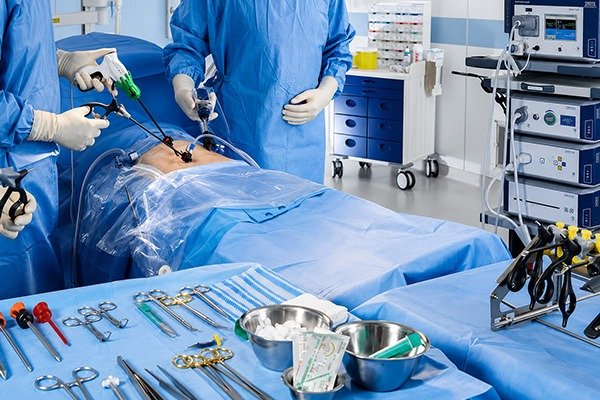
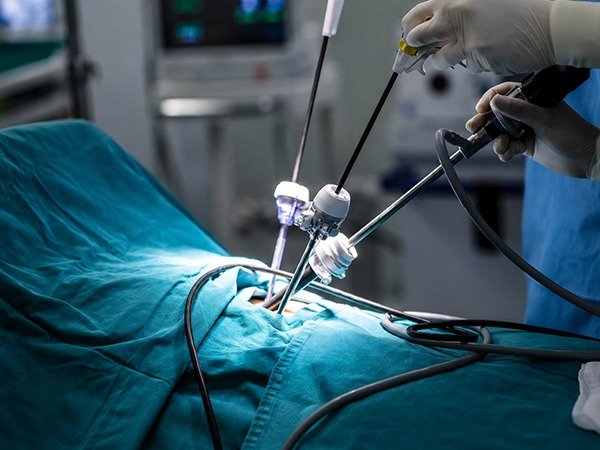
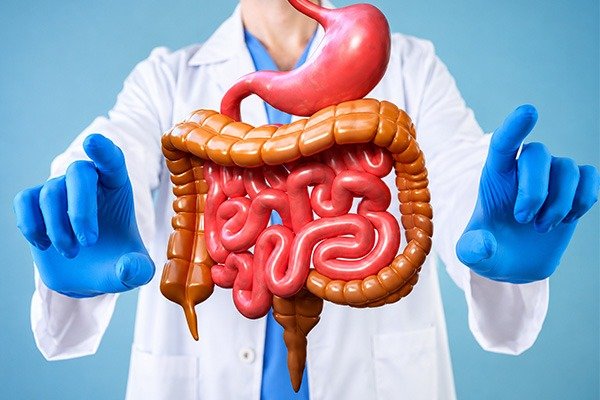
Highly specialised minimally invasive GI cancer surgery uses advanced robotic and laparoscopic techniques to treat cancers of the gastrointestinal tract through small incisions. This approach aims to achieve precise cancer removal while minimizing surgical trauma, reducing complications, and promoting faster recovery whenever appropriate.
This approach may help:
A comprehensive clinical evaluation, advanced imaging, and multidisciplinary assessment are essential to determine whether a minimally invasive approach is the most suitable treatment option.
You may be a suitable candidate if you:
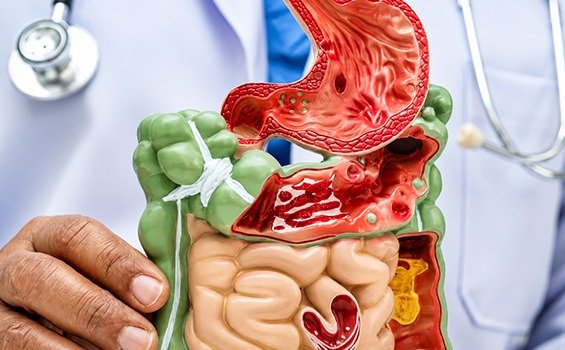
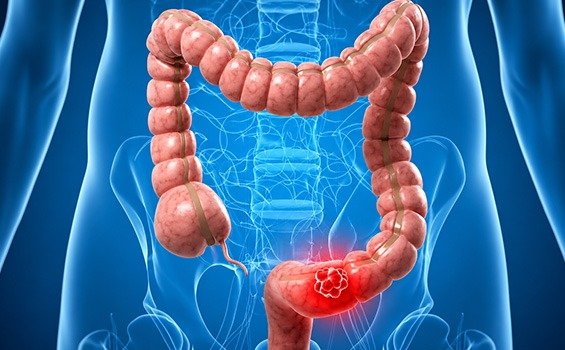
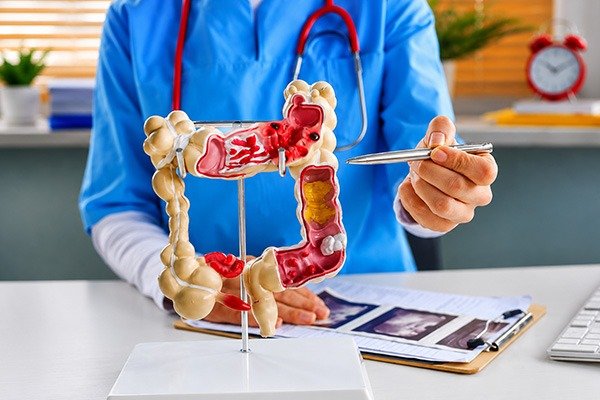
Minimally invasive surgery may be an effective treatment option for several gastrointestinal cancers, depending on the tumour location, stage, and individual patient factors.
These include:
Early consultation with a GI cancer specialist helps determine whether a minimally invasive surgical approach is suitable for your condition and allows timely treatment planning.
Consult a specialist if you:
Proper preparation plays an important role in ensuring a safe surgical procedure, effective treatment planning, and a smooth recovery following minimally invasive GI cancer surgery.
Preparation may include:
Patients undergoing minimally invasive GI cancer surgery generally experience a smoother recovery compared to traditional open surgery. Your healthcare team will provide continuous support to ensure safe healing and optimal recovery.
After surgery, you can expect:
Specialized instruments and a high-definition camera are inserted through small incisions to remove gastrointestinal cancers while minimizing damage to surrounding healthy tissues.
Robotic-assisted surgery provides enhanced precision, superior visualization, and greater control, making it especially useful for complex gastrointestinal cancer procedures.
Complex gastrointestinal cancers may require advanced minimally invasive surgical techniques designed to achieve complete tumour removal while preserving healthy tissue whenever possible.
Minimally invasive GI cancer surgery offers several advantages for appropriately selected patients. By using advanced laparoscopic or robotic techniques, this approach aims to provide effective cancer treatment while reducing the impact of surgery on the body.
Potential benefits include:

Although minimally invasive GI cancer surgery is generally safe and offers several advantages, it is still a major surgical procedure. The potential risks depend on the type of cancer, the complexity of the operation, and the patient's overall health. Your surgeon will discuss these risks before treatment.
Potential complications may include:
Following your surgeon's post-operative instructions is essential for a smooth recovery and optimal healing after minimally invasive GI cancer surgery. Proper care can help reduce complications and support a quicker return to daily activities.
Patients are advised to:
Dr. Vinay Samuel Gaikwad is one of India's leading Surgical Oncologists with extensive experience in advanced minimally invasive gastrointestinal cancer surgery. His expertise in robotic and laparoscopic cancer surgery enables patients to receive precise, effective treatment with reduced surgical trauma, faster recovery, and improved long-term outcomes whenever a minimally invasive approach is appropriate.

No. While many gastrointestinal cancers can be treated using minimally invasive techniques, suitability depends on the type, stage, and location of the cancer, as well as the patient's overall health and clinical evaluation.
Both are minimally invasive approaches. Robotic surgery offers enhanced precision, improved visualization, and greater instrument control, which can be especially beneficial for complex GI cancer procedures.
Yes. When performed by an experienced surgical oncologist, minimally invasive GI cancer surgery is considered a safe and effective treatment option for appropriately selected patients.
Recovery is generally faster than with traditional open surgery. However, the exact recovery period varies depending on the type of procedure performed and the patient's overall health.
The primary goal is complete cancer removal. Minimally invasive techniques are recommended only when they can provide cancer treatment outcomes comparable to conventional open surgery while offering the benefits of a less invasive approach.
Start your journey towards recovery today. Contact us via phone or fill out our appointment form to schedule a consultation with Dr. Vinay Samuel Gaikwad.
Book A Consultation