✕
Home / Neuroendocrine Tumor Surgery in India

Neuroendocrine Tumor Surgery in India

Neuroendocrine Tumors (NETs) demand special assessment and planning for treatment to ensure good results from therapy. In cases where surgery is recommended, quick action can help in removal of tumors, disease management and increased life expectancy. Dr. Vinay Samuel Gaikwad provides Neuroendocrine Tumor Surgery in India with customized treatment solutions.

Dr. Vinay Samuel Gaikwad – Neuroendocrine Tumor Surgeon in India

Neuroendocrine tumors require expert surgical care, in-depth knowledge of gastrointestinal cancers, and a multidisciplinary treatment approach. Dr. Vinay Samuel Gaikwad specializes in the management of complex neuroendocrine tumors, providing personalized treatment strategies based on the tumor type, location, stage, and individual patient needs to achieve the best possible outcomes.

  • Over 20 years of experience in specialized cancer surgery
  • Expertise in GI Oncology, HPB Oncology, Neuroendocrine Tumors, HIPEC, and Robotic Surgery
  • Advanced training at Tata Memorial Hospital and MSKCC, New York
  • Personalized treatment strategy for every patient
  • Multidisciplinary tumor board-based treatment planning
  • Patient safety and outcome-oriented approach
  • Comprehensive support from diagnosis to recovery
Dr. Vinay Samuel Gaikwad – Neuroendocrine Tumor Surgeon in India

20+

Years of Experience

9564+

Complex Surgeries

15404+

Treated Cancer Patients

What is Neuroendocrine Tumor Surgery?

What is Neuroendocrine Tumor Surgery?

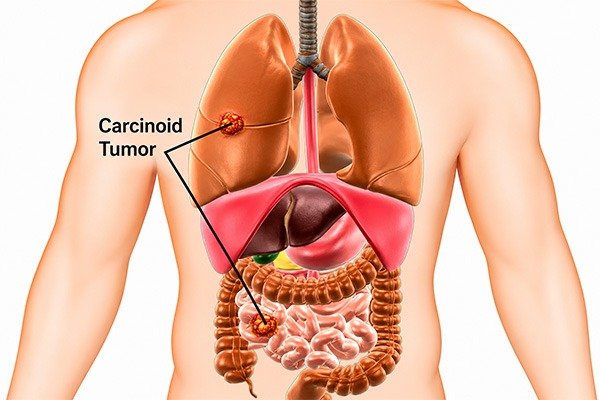
Neuroendocrine tumor surgery is performed to remove the neuroendocrine tumor along with any affected surrounding tissues or organs whenever surgery is considered an appropriate treatment option. Surgical management plays a vital role in treating neuroendocrine tumors and is often an important part of a comprehensive, multidisciplinary treatment plan.

Neuroendocrine tumor surgery may help by:

  • Removing the primary tumor
  • Controlling disease progression
  • Reducing the overall tumor burden
  • Improving symptom control
  • Enhancing quality of life

Who is an Ideal Candidate for Neuroendocrine Tumor Surgery?

A detailed clinical evaluation, imaging studies, and multidisciplinary assessment help determine whether surgery is the most appropriate treatment option for a neuroendocrine tumor.

You may be a suitable candidate if you:

  • Have been diagnosed with a neuroendocrine tumor
  • Have a tumor that can be safely removed through surgery
  • Have localized or surgically treatable disease
  • Are in good general health and fit for surgery
  • Have surgery recommended by your oncologist or tumor board
  • Would benefit from a personalized treatment approach that includes surgery
Who is an Ideal Candidate for Neuroendocrine Tumor Surgery?
What Types of Neuroendocrine Tumors Can Be Treated with Surgery?

What Types of Neuroendocrine Tumors Can Be Treated with Surgery?

Surgical treatment may be recommended for a variety of neuroendocrine tumors depending on their location, stage, and overall treatment plan.

These include:

  • Pancreatic neuroendocrine tumors (PNETs)
  • Small intestine neuroendocrine tumors
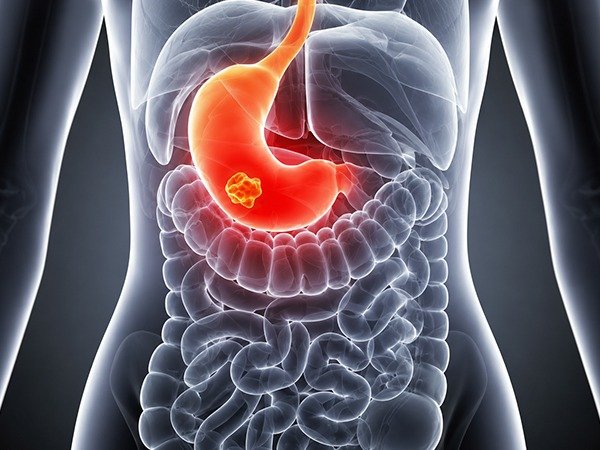
  • Gastric (stomach) neuroendocrine tumors
  • Appendiceal neuroendocrine tumors
  • Colorectal neuroendocrine tumors
  • Selected metastatic neuroendocrine tumors where surgery is appropriate

When to Consult a Doctor for Neuroendocrine Tumor Surgery?

Early consultation with a specialist can help determine the most appropriate treatment strategy and improve treatment planning for neuroendocrine tumors.

Consult a specialist if you:
  • Have been diagnosed with a neuroendocrine tumor
  • Have been advised to undergo surgery
  • Need a second opinion regarding your treatment plan
  • Have a suspicious neuroendocrine tumor that requires further evaluation
  • Experience symptoms related to neuroendocrine tumors (NETs)
  • Want expert guidance on the most suitable treatment options
When to Consult a Doctor for Neuroendocrine Tumor Surgery?
How to Prepare for Neuroendocrine Tumor Surgery?

How to Prepare for Neuroendocrine Tumor Surgery?

Proper preparation helps ensure safe surgery, effective treatment planning, and a smoother recovery after neuroendocrine tumor surgery.

Preparation may include:

  • Blood investigations
  • CT scan, MRI, or PET scan evaluation
  • Hormonal assessment, when required
  • Preoperative fitness assessment
  • Anesthesia consultation
  • Nutritional evaluation and counselling
  • Detailed treatment planning discussions

What to Expect After Neuroendocrine Tumor Surgery?

Patients receive comprehensive post-operative care, close monitoring, and recovery support to promote healing and achieve the best possible outcomes.

After surgery, you can expect:
  • Hospital-based recovery under specialist supervision
  • Pain management and supportive care
  • Nutritional guidance for recovery
  • Regular monitoring of your progress
  • Scheduled follow-up evaluations
  • Personalized recovery and rehabilitation planning
  • Individualized post-operative care and long-term follow-up
What to Expect After Neuroendocrine Tumor Surgery?

How is Neuroendocrine Tumor Surgery Performed?

Pancreatic Neuroendocrine Tumor Surgery

Surgery involves removing the neuroendocrine tumor along with the affected pancreatic tissue while preserving as much healthy pancreatic function as possible.

Small Intestine Neuroendocrine Tumor Surgery

The affected segment of the small intestine is surgically removed along with surrounding tissues when necessary to achieve complete tumor clearance.

Gastric and Colorectal NET Surgery

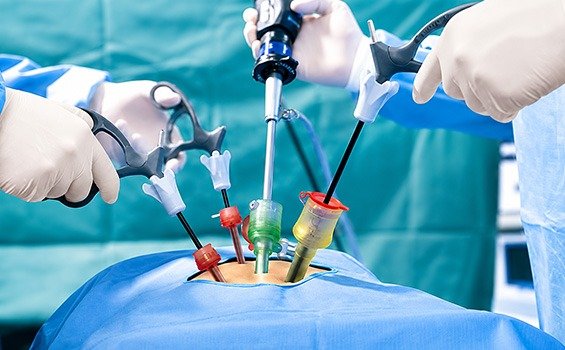
Neuroendocrine tumors involving the stomach or colon are treated using specialized surgical procedures tailored to the tumor's location and extent.

Advanced Neuroendocrine Tumor Surgery

Complex neuroendocrine tumor cases may require advanced surgical techniques and multidisciplinary planning to achieve the best possible outcomes.

How is Neuroendocrine Tumor Surgery Performed?

What Are the Benefits of Neuroendocrine Tumor Surgery?

For suitable patients, neuroendocrine tumor surgery offers several important benefits by removing or reducing the tumor burden and improving overall disease management.

Potential benefits include:
  • Complete tumor removal whenever possible
  • Better disease control and slower disease progression
  • Improved symptom management
  • Reduced tumor burden
  • Improved treatment outcomes
  • Enhanced quality of life
What Are the Benefits of Neuroendocrine Tumor Surgery?
What Are the Risks or Complications of Neuroendocrine Tumor Surgery?

What Are the Risks or Complications of Neuroendocrine Tumor Surgery?

The risks associated with neuroendocrine tumor surgery vary depending on the tumor's location, the extent of surgery, and the patient's overall health. Your surgeon will discuss the potential risks and expected outcomes before treatment.

Potential complications may include:

  • Bleeding
  • Infection
  • Leakage from surgical connections
  • Digestive complications
  • Blood clots
  • Delayed recovery

Recovery Tips After Neuroendocrine Tumor Surgery

Recovery is an essential part of successful neuroendocrine tumor treatment. Following your surgeon's advice can help promote healing and reduce the risk of complications.

Patients are advised to:

  • Follow dietary recommendations
  • Attend all scheduled follow-up appointments
  • Stay physically active as advised by your healthcare team
  • Take prescribed medications regularly
  • Maintain adequate hydration
  • Report any unusual symptoms or concerns promptly
Recovery Tips After Neuroendocrine Tumor Surgery

Why Choose Dr. Vinay Samuel Gaikwad for Neuroendocrine Tumor Surgery?

Dr. Vinay Samuel Gaikwad is one of India's leading Surgical Oncologists with extensive experience in the management of complex gastrointestinal and neuroendocrine tumors. With expertise in advanced cancer surgery and a patient-centric approach, he provides personalized treatment plans designed to achieve the best possible outcomes for every patient.

  • Over 20 years of experience in complex and specialized cancer surgeries
  • Expertise in Neuroendocrine Tumor Surgery, GI Oncology, HPB Oncology, HIPEC, and Robotic Cancer Surgery
  • Advanced training at Tata Memorial Hospital, Mumbai, and Memorial Sloan Kettering Cancer Center (MSKCC), New York
  • Multidisciplinary tumor board-based treatment planning
  • Focus on complete tumor removal while preserving organ function whenever possible
  • Personalized treatment plans tailored to each patient's condition
  • Strong emphasis on patient safety, faster recovery, and long-term outcomes
  • Comprehensive support from diagnosis through treatment and post-operative follow-up

Take the Next Step & Schedule a Consultation Today

Neuroendocrine Tumour Surgery FAQs

Frequently Asked Questions About Neuroendocrine Tumors

For many localized neuroendocrine tumors, surgery is often the preferred treatment option and may provide the best opportunity for long-term disease control.

No. The suitability of surgery depends on the tumor's location, stage, extent of spread, and the patient's overall health. A detailed evaluation helps determine the most appropriate treatment plan.

The duration of surgery varies depending on the tumor's location, the complexity of the procedure, and the extent of surgery required. Your surgeon will discuss the expected operative time before treatment.

Some patients may require additional treatment such as targeted therapy, chemotherapy, or regular surveillance depending on the final pathology report and overall treatment plan.

Recovery varies for each patient based on the type of surgery and overall health. Most patients benefit from follow-up care, nutritional support, and a gradual return to normal daily activities.

Together, We Can
Fight Against Cancer

Start your journey towards recovery today. Contact us via phone or fill out our appointment form to schedule a consultation with Dr. Vinay Samuel Gaikwad.

Book A Consultation

Dr. Vinay Samuel Gaikwad - Cancer Specialist in India
Book Appointment
×