
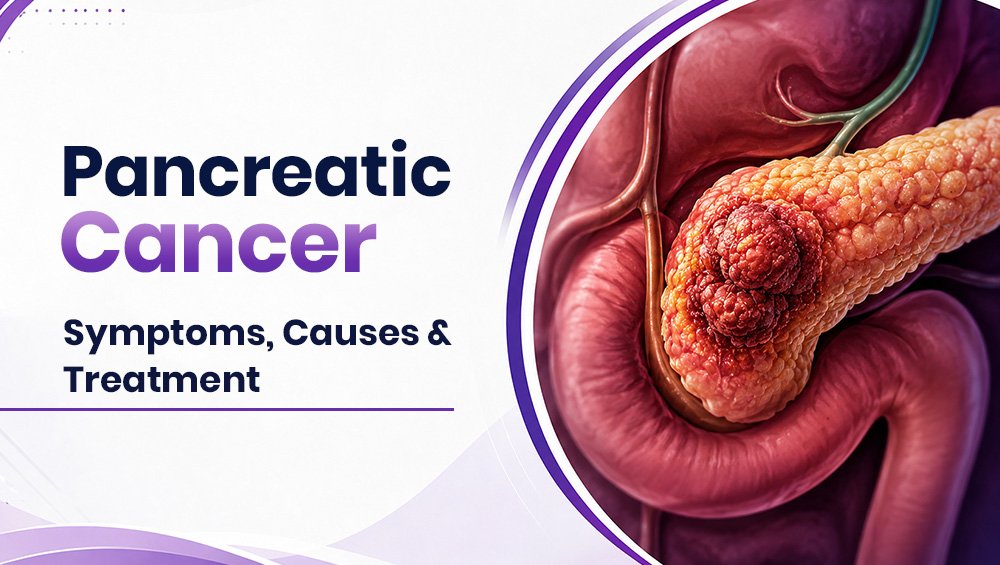
The experience of pancreatic cancer creates both fear and confusion for patients. Many people do not even know what the pancreas does until they or someone close to them faces this condition. The good thing is that understanding the disease in simple language can make things a little less stressful.
People use search engines to find information about pancreatic cancer by entering terms such as what is pancreatic cancer and what causes pancreatic cancer and pancreatic cancer causes and is pancreatic cancer curable and pancreas cancer.
What is Pancreatic Cancer?
Pancreatic cancer is a condition that occurs when abnormal cells begin to grow inside the pancreas. If untreated, the cells can grow into a tumor known as a tumor. This may eventually spread to other organs.
The pancreas is an organ that exists inside the human body at the rear section of the abdominal cavity, which is located close to the stomach area. The pancreas operates its two vital functions even though it exists as a miniature organ.
- Digestion
- Regulation of blood sugar
Pancreatic cancer can impair the functions of the pancreas.
Why is Pancreatic Cancer Dangerous?
Pancreatic cancer is regarded as a risk because it can be difficult to recognize in its initial stages. For many, it develops in a silent manner without causing obvious symptoms initially. When symptoms begin to show, the cancer could have already developed into nearby organs or other areas within the human body.
Another reason why it's important is the fact that the pancreas is a vital organ that aids digestion and also regulates the blood sugar level. If pancreatic cancer is affecting the pancreas and the body's functions, they can be affected.
Pancreatic cancer symptoms may appear as common stomach issues, for example:
- Back discomfort
- Stomach discomfort
- Bloating
- A loss of appetite
- Weight loss
Since these signs are usually not noticed at first, many patients are diagnosed later than other cancers.
The cancer may grow rapidly, making the treatment process more difficult in advanced stages. But early detection and appropriate treatment can enhance outcomes and allow patients to live longer and healthier lives.
This is the reason it is crucial not to ignore signs that last for long periods of time, and to seek medical assistance promptly.
What Causes Pancreatic Cancer?
Many people wonder, " What is the reason for pancreatic cancer?" Doctors aren't sure of the exact cause for every instance, but certain habits and medical conditions may increase the chance of developing the disease.
Common Pancreatic Cancer Causes
|
Cause or Risk Factor |
Simple Explanation |
|
Smoking |
Harmful chemicals damage pancreatic cells |
|
Obesity |
Extra body weight can increase inflammation |
|
Diabetes |
Long-term diabetes may raise the risk |
|
Family history |
Cancer risk can sometimes run in families |
|
Alcohol and pancreatitis |
Long-term pancreas damage increases risk |
|
Age |
More common in older adults |
|
Unhealthy food habits |
Too much processed and oily food may affect health |
Having these risk factors does not always mean a person will get cancer, but the chances can become higher.
Symptoms of Pancreatic Cancer
The symptoms tend to be at first mild and can appear similar to common stomach issues. Due to this, many people overlook them.
Common Symptoms Include:
- The upper stomach hurts or in the back
- Weight loss that is sudden and without effort
- A loss of appetite
- Tired or weak every day
- Yellow eyes or skin (jaundice)
- Urine that is dark
- Nausea or vomiting
- Bloating or digestive problems
- Unexpected diabetes in a few individuals
If symptoms persist for several weeks, it is essential to consult a doctor.
Early Signs You Should Not Ignore
Sometimes the body gives small warning signs before serious symptoms appear.
These may include:
- Feeling full after eating very little
- Constant stomach discomfort
- Mild back pain
- Unexplained tiredness
- Gas and bloating regularly
These symptoms do not always mean cancer, but getting checked early is always safer.
How Do Doctors Find Pancreatic Cancer?
Doctors use different tests to confirm pancreatic cancer and understand how much it has spread.
Common Tests
|
Test |
Why It is Done |
|
CT Scan |
To see detailed images of the pancreas |
|
MRI |
Helps find tumors clearly |
|
Blood Test |
Checks overall health and some cancer markers |
|
Biopsy |
Confirms cancer by testing a tissue sample |
|
Endoscopic Ultrasound |
Gives a closer view of the pancreas |
Early diagnosis can make treatment more effective
Is Pancreatic Cancer Curable?
This is among the most frequently asked questions: Are pancreatic cancers curable?
The answer is contingent on when the cancer is detected.
If pancreatic cancer is discovered early enough and the tumor can be removed surgically, the treatment could be more effective. Since symptoms usually show up late, a lot of cases are diagnosed at advanced stages.
Even when a total cure isn't possible, treatment can be:
- Slow down the growth of cancer
- Relieve pain and discomfort
- Improve the quality of life
- Make sure sufferers live longer as well as healthier lives.
Each patient's health condition is unique, and treatments are different for each patient.
Treatment for Pancreatic Cancer
Treatment for pancreatic cancer is based on how soon the cancer is discovered and how far it has spread, as well as the health of the patient overall. Each patient is unique, and therefore, doctors develop an individual treatment plan that is based on the individual's medical condition and requirements.
In many instances, doctors will use multiple treatments for better results.
1. Surgery
If pancreatic cancer is discovered in the early stages, surgery can be performed to eliminate the cancerous tumor. Surgery offers the greatest chance of cure if the cancer isn't spreading excessively.
There are a variety of pancreas surgeries based on the location where the cancer is found.
|
Surgery |
Simple Meaning |
|
Whipple Surgery |
Removes the affected part near the head of the pancreas |
|
Distal Pancreatectomy |
Removes the tail part of the pancreas |
|
Total Pancreatectomy |
Removes the whole pancreas in some cases |
Following surgery, the body requires time to recover. Patients might be weak for a while; however, rest, nutritious food, and regular treatment aid in the recovery process.
2. Chemotherapy
Chemotherapy is a type of treatment that makes use of medicines to destroy cancerous cells. It can be administered before treatment to minimize the growth or after surgery to decrease the likelihood of cancer recurring.
Patients may experience fatigue or weakness or suffer from nausea when they undergo chemotherapy. However, doctors can help treat these symptoms with medications and assistance.
3. Radiation Therapy
Radiation therapy makes use of powerful radiation to kill cancerous cells. It may help shrink tumors and ease the pain or discomfort.
This procedure is meticulously designed so that the surrounding healthy organs are as secure as it is.
4. Targeted Therapy and New Treatments
Certain patients could receive more advanced treatments to target cancer cells more effectively. The treatments could be effective for certain forms of pancreatic cancer.
Doctors determine this after performing specific tests and examining the patient's health.
Recovery After Treatment
It takes a long time to recover in the aftermath of major surgery or chemotherapy. Patients need physical as well as emotional assistance.
Helpful Recovery Tips
- Eat light and nutritious meals
- Make sure you drink enough water
- Rest properly
- Move slowly and remain active.
- Take care to follow the advice of your doctor.
- Regular check-ups for follow-up
The support of family members is also a major factor in the process of recovery.
Can Pancreatic Cancer Be Prevented?
There is no way of the complete prevention of pancreatic cancer. However, a healthy and active lifestyle can lower the likelihood of it developing.
Simple Lifestyle Changes That Help
- Stop smoking
- Do not drink too much.
- Eat healthy, homemade food
- Keep a healthy body weight
- Exercise regularly
- Control diabetes properly
Small changes in lifestyles can make an enormous difference over the course of the course of.
Living with Pancreatic Cancer
The emotional burden of a diagnosis of cancer is felt by the cancer patient as well as their loved ones. There are natural emotions of anxiety, fear, and stress. The medical treatment needs to be combined with emotional support and positive care, which holds equal importance.
Patients who receive appropriate treatment and maintain healthy habits and their scheduled medical appointments can continue their daily activities.
Conclusion
Pancreatic cancer is a debilitating disease, but understanding the signs and symptoms that are associated with it and addressing the issue earlier could make a difference in your own life. Understanding the causes of pancreatic cancer, knowing the reasons for pancreatic cancer, and recognizing warning signs early can aid in receiving the proper medical attention.
Most people wonder whether pancreatic cancer is curable, but the answer varies based on the level of the illness at hand, though today, thanks to new technology, most individuals are living longer with the illness. If you're suffering from pancreatic cancer, you could receive the best treatment for the illness from the best oncologist surgeon in India, Dr. Vinay Samuel Gaikwad.