
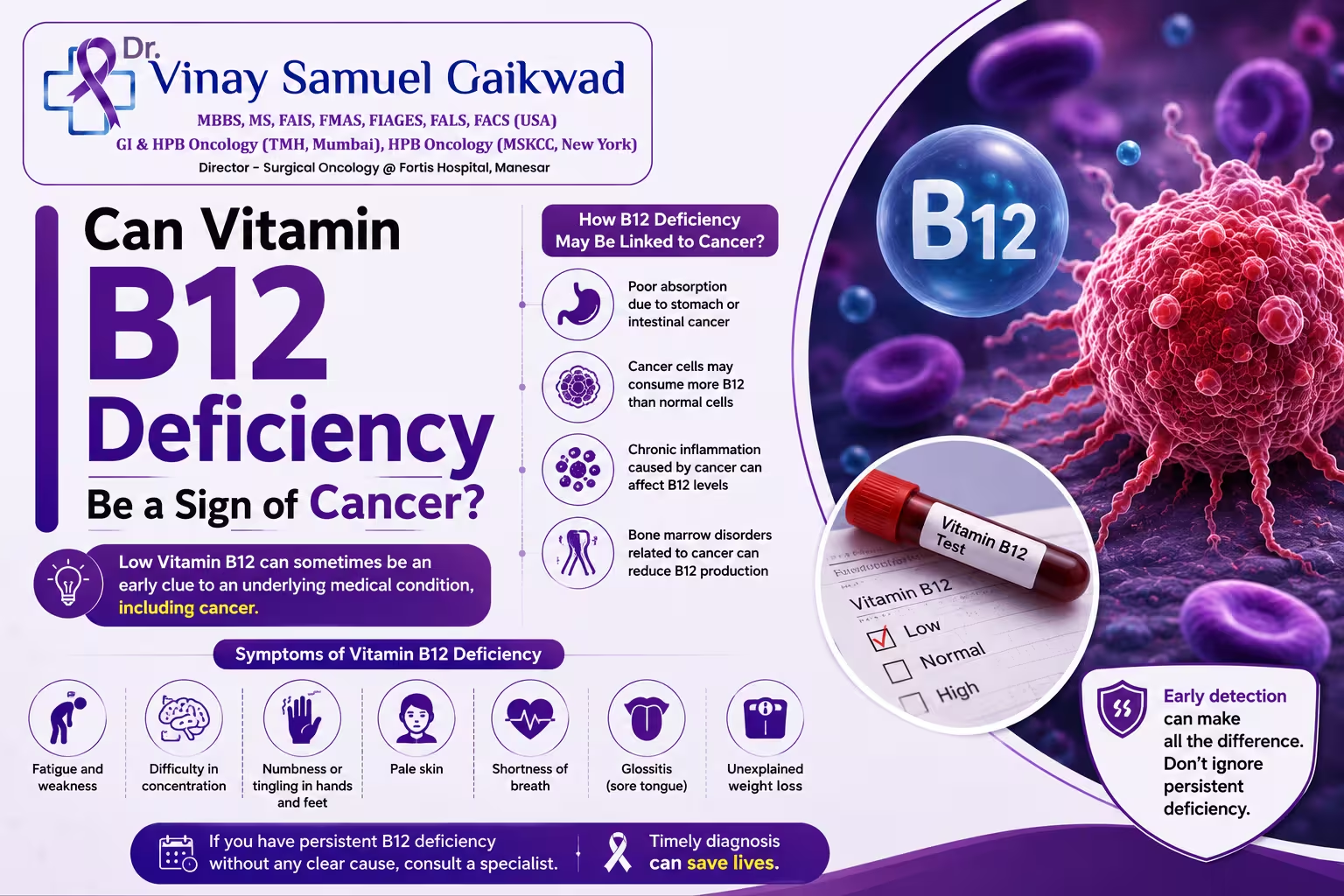
Vitamin B12 insufficiency can be very widespread and, in the majority of cases, it's not a result of cancer. Low Vitamin B12 levels are generally due to poor nutrition or a lack of absorption, as well as certain medicines and a condition known as pernicious anemia. However, in certain cases, cancers that affect the pancreas, stomach, blood vessels, or intestines can hinder Vitamin B12 absorption and lead to the deficiency.
So, can Vitamin B12 deficiency be a sign of cancer? Yes, however, only in certain circumstances. A low B12 level by itself does not suggest that you have cancer. The reason for the low B12 level must be uncovered through an appropriate medical assessment, especially when the deficiency is serious and persists even after treatment, or is related to other symptoms.
Can Vitamin B12 Deficiency Be a Sign of Cancer?
The short answer is usually no; however, there are times when it is.
The majority of people who have low levels of Vitamin B12 don't have cancer. In fact, many Vitamin B12 deficiency cases happen due to:
- Insufficient dietary intake (especially for strict vegans, vegetarians, or strictly vegetarian diets)
- Inadequate absorption caused by digestive or stomach problems
- The long-term use of drugs such as metformin, acid-reducing medications
- Pernicious anemia is an autoimmune disorder that stops the body from taking in Vitamin B12 properly
However, certain cancers could cause problems for the stomach or the digestive system in a manner that reduces Vitamin B12 absorption. This is the reason why doctors do not overlook persistent or unexplained Vitamin B12 deficiency, especially in people who are older or who have other signs.
What Does Vitamin B12 Do in the Body?
Vitamin B12 is an essential nutrient that helps your body:
- Make healthy red blood cells
- Keep the brain and nerves working properly
- Produce DNA
- Maintain normal energy levels
When the body does not get enough Vitamin B12, these important functions begin to slow down, leading to symptoms that can affect daily life.
What Are the Symptoms of Vitamin B12 Deficiency?
The symptoms usually develop slowly and may be mistaken for other health problems.
Common symptoms include:
- Constant tiredness
- Weakness
- Pale skin
- Shortness of breath
- Tingling or numbness in the hands and feet
- Poor balance
- Memory problems
- Difficulty concentrating
- Mood changes
- Sore tongue
- Loss of appetite
These symptoms are common in Vitamin B12 deficiency and do not automatically mean cancer.
Which Cancers Can Cause Vitamin B12 Deficiency?
A lot of people search for "cancers that cause B12 deficiency."
While cancer isn't an all-time cause, some cancers can affect Vitamin B12 levels by damaging the digestive tract or stomach or by decreasing the absorption of nutrients.
They include:
1. Stomach Cancer
In the stomach, there is a substance known as an intrinsic factor that aids the body's absorption of Vitamin B12. If cancerous stomachs damage the stomach's lining, Vitamin B12 absorption might decrease.
People suffering from pernicious anemia, which already impacts the production of intrinsic factors, have a greater chance for developing cancer of the stomach.
2. Pancreatic Cancer
The pancreas aids in digestion. For some sufferers, cancer of the pancreas could affect digestion and decrease the body's capacity to take in nutrients, including Vitamin B12.
3. Small Intestine Cancer
Vitamin B12 can be absorbed into the apex in the small intestine. The cancer that affects this region can hinder absorption, but it is not a common occurrence.
4. Blood Cancers
Some blood-related cancers, including leukemia as well as bone marrow disorders, could influence how healthy blood cells are produced. The conditions can also impact Vitamin B12 metabolism, although they're not the main cause of low B12 levels.
Can Colon Cancer Cause Vitamin B12 Deficiency?
A lot of people ask, "Can colon cancer cause Vitamin B12 deficiency?" The answer is simple: it's possible, but it's not a typical cause.
Unlike colon cancer, stomach cancer doesn't prevent the body from absorbing Vitamin B12. In certain situations, it could cause lower B12 levels.
This could occur in the following situations:
- Cancer can cause a lack of eating habits and weight gain.
- The patient is unable to consume sufficient healthy food.
- A portion of the intestine has been removed in the course of surgery, which has affected the absorption of nutrients.
- Chemotherapy can cause nutritional deficiencies over time.
Also, while colon cancer can trigger Vitamin B12 deficiency in some patients, the majority of people who have low B12 levels do not suffer from colon cancer.
Is Low Vitamin B12 a Sign of Cancer?
Low Vitamin B12 alone is rarely a sign of cancer.
Most cases are caused by common conditions such as poor diet, stomach problems, certain medicines, or pernicious anemia.
Doctors usually become more concerned when Vitamin B12 deficiency occurs along with symptoms such as:
- Unexplained weight loss
- Blood in the stool
- Difficulty swallowing
- Persistent stomach pain
- Ongoing vomiting
- A lump in the abdomen
- Loss of appetite that continues for weeks
- Severe anaemia without a clear cause
If these symptoms are present, your doctor may advise further tests to rule out serious conditions, including cancer.
How Do Doctors Find the Cause of Vitamin B12 Deficiency?
Understanding the reasons behind why the Vitamin B12 level is low is as crucial as taking care of it.
Your doctor may recommend:
1. Blood Tests
Blood tests are used to check Vitamin B12 levels, haemoglobin, iron, folate, and other nutrient levels. They also determine if the body produces healthy red blood cells.
2. Medical History
The doctor will inquire about:
- Your diet
- Current medicines
- Prior stomach or intestinal surgery
- Family family history
- Current medical conditions
These data can give important clues to the root of the problem.
3. Endoscopy or Colonoscopy
If you are experiencing symptoms like frequent stomach pain, difficulties swallowing, blood in your stool, or a sudden decrease in your weight, your physician might suggest an upper GI colonoscopy or endoscopy to check for issues inside the digestive tract.
4. CT Scan or MRI
If it is suspected that cancer has occurred by a physical examination or a symptom or imaging tests, a CT scan or MRI could be suggested.
These tests aren't routinely needed for anyone suffering from Vitamin B12 deficiency.
Vitamin B12 Deficiency vs Cancer: How Are They Different?
Many symptoms of Vitamin B12 deficiency and cancer can overlap, which is why some people become worried.
|
Vitamin B12 Deficiency |
Cancer |
|
Fatigue |
Fatigue |
|
Weakness |
Weakness |
|
Tingling in hands and feet |
Usually uncommon |
|
Memory problems |
Usually uncommon |
|
Pale skin |
Can occur |
|
Improves with B12 treatment |
Does not improve with B12 alone |
|
Usually linked to diet or poor absorption |
Usually associated with a tumour or other underlying disease |
This is why doctors do not diagnose cancer based only on a low Vitamin B12 level.
When Should You See a Doctor?
It is recommended to seek medical advice for the following conditions:
- The Vitamin B12 level is lower despite the use of supplements.
- There are frequent instances that are a result of Vitamin B12 deficiency.
- There is an unproven cause for weight loss.
- There are bloody stools in your stool.
- There is a persistent stomach ache.
- Inability to swallow does not get better.
- You are tired with no reason that you can pinpoint.
- A family member close to me has been diagnosed with stomach cancer or colorectal cancer.
A quick evaluation will help determine the root of the problem and help with treatment immediately if necessary.
Can Vitamin B12 Deficiency Be Prevented?
In many cases, yes. The best way to prevent Vitamin B12 deficiency is to maintain a healthy diet and identify conditions that affect Vitamin B12 absorption early.
You may be able to reduce your risk by:
- Eating foods rich in Vitamin B12, such as milk, eggs, fish, meat, and dairy products.
- Taking Vitamin B12 supplements if advised by your doctor, especially if you follow a strict vegetarian or vegan diet.
- Managing stomach or intestinal conditions that reduce nutrient absorption.
- Getting regular health check-ups if you have pernicious anemia or long-term digestive disorders.
- Discussing long-term medicines like metformin or acid-reducing drugs with your doctor, as they may lower Vitamin B12 levels in some people.
Early diagnosis and treatment of Vitamin B12 deficiency can help prevent nerve damage and other long-term complications.
Myth vs Fact
Many people come across confusing information online about Vitamin B12 deficiency and cancer. Here are some common myths explained.
|
Myth |
Fact |
|
Low Vitamin B12 always means cancer. |
No. Most Vitamin B12 deficiency cases are caused by poor diet, reduced absorption, certain medicines, or pernicious anemia, not cancer. |
|
Every cancer patient has Vitamin B12 deficiency. |
No. Many people with cancer have normal Vitamin B12 levels. |
|
Taking Vitamin B12 supplements can treat cancer. |
No. Vitamin B12 corrects the deficiency but does not treat cancer. |
|
If Vitamin B12 levels improve, further tests are never needed. |
Not always. If symptoms continue or the deficiency keeps returning, your doctor may recommend additional evaluation. |
Latest Understanding About Vitamin B12 Deficiency and Cancer
Current medical evidence suggests that Vitamin B12 deficiency is rarely the very first signal of cancer, like not usually the first thing people notice. Most folks who end up with low Vitamin B12 have more non-malignant reasons, including low dietary intake, poor absorption, or autoimmune disorders, for example, pernicious anemia.
Still, doctors understand that certain gastrointestinal cancers can interfere with Vitamin B12 uptake in some people. This can include stomach cancer, pancreatic cancer, and, less often, colorectal cancer. So if a Vitamin B12 deficiency keeps happening, or it shows up without a clear explanation, especially alongside warning signs such as weight loss, trouble swallowing, blood in the stool, or ongoing abdominal pain, it really should be checked out, not simply brushed aside.
The key takeaway is simple: a low Vitamin B12 reading should not trigger panic, but it also should not be ignored. Identifying the real underlying cause is what leads to the right treatment in the first place.
Why Choose Dr. Vinay Samuel Gaikwad?
Dr. Vinay Samuel Gaikwad is a Best Surgical Oncologist in India with more than 20 years of experience in complex cancer surgery. He specializes in Gastrointestinal (GI) Cancer, Hepatopancreatobiliary (HPB) Cancer, Liver Cancer, Pancreatic Cancer, Colorectal Cancer, and other complex gastrointestinal malignancies.
He has received advanced training at Tata Memorial Hospital, Mumbai, Memorial Sloan Kettering Cancer Center, New York, and IRCAD Taiwan. His areas of surgical expertise include HIPEC Surgery, Whipple Surgery, Laparoscopic Colorectal Cancer Surgery, Sphincter Saving Surgery, Minimally Invasive Cancer Surgery, and Robotic Cancer Surgery.
Each patient is evaluated based on their medical history, investigations, cancer type and stage before an individualized treatment plan is considered.
Related Treatments
- HIPEC Surgery
- Whipple Surgery
- Laparoscopic Colorectal Cancer Surgery
- Liver Cancer Surgery
- Pancreatic Cancer Surgery
- Gallbladder Cancer Surgery
- Neuroendocrine Tumour Surgery
- Sphincter Saving Surgery
- Retroperitoneal Sarcoma Treatment
- Chemo Port Insertion
Related Articles
- Upper GI Cancer Surgery Cost in India
- Colon Cancer Surgery Cost in India
- Gallbladder Cancer Treatment Cost in India
- Liver Cancer Surgery Cost in India
- Pancreatic Cancer Surgery Cost in India
Conclusion
Vitamin B12 deficiencies are a very common health issue for the majority of people; it is not related to cancer. A poor diet, lower absorption, certain drugs, and pernicious anemia are the leading causes. However, persistent or unresolved Vitamin B12 deficiency should never be ruled out, particularly when it manifests with signs such as unprovoked weight loss, constant abdominal discomfort, difficulty swallowing, or blood in stool. Finding the root cause promptly is the most effective way to ensure prompt treatment and more favorable results.
If you experience ongoing digestive problems or concerns about cancer following medical assessment, consulting an experienced doctor is essential. Doctor. Vinay Samuel Gaikwad, the most renowned surgeon-oncologist in India with more than twenty years of experience, specializes in the diagnosis and treatment of gastrointestinal and other complicated cancers. He offers evidence-based, customized care to ensure patients receive the appropriate treatment for their specific condition.
Frequently Asked Questions
Could Vitamin B12 deficiency be an indication of cancer?
Most of the time, there is no link. In most cases, Vitamin B12 deficiency is caused by poor diet, diminished absorption, certain medications, or pernicious anemia. In a few instances, cancers that affect the pancreas, stomach, or the digestive tract may cause low Vitamin B12 levels.
What cancers could cause Vitamin B12 deficiency?
Certain gastric cancers and pancreatic tumors, small intestinal cancers, and certain blood cancers could impact Vitamin B12 absorption or metabolism. But they are less frequent causes than diet or digestive issues.
Can colon cancer cause Vitamin B12 deficiency?
Colon cancer isn't the most common reason for Vitamin B12 deficiency. For some patients, bad nutrition, bowel surgery, or chemotherapy may lead to reduced Vitamin B12 levels, but the majority of people who have a Vitamin B12 deficiency do not have colon cancer.
Are low levels of Vitamin B12 always a cause to be concerned?
It's not always the case. A low level of Vitamin B12 is quite common and usually simple to manage. But if the problem is persistent, does not improve after treatment, or manifests with symptoms like unexplained weight loss or blood in the stool, or difficulties eating, a further medical examination is necessary.
When should I visit an expert on cancer?
If Vitamin B12 insufficiency occurs followed by persistent digestive issues or weight loss that is not explained, or blood in stool, or any imaging findings that indicate cancer, your physician may suggest you consult a Surgical Oncologist to conduct additional evaluation and treatment planning.